
International Women’s Day: The Female Leaders of ÀNI Private Resorts
On two distant islands — one in the Andaman Sea, one in the Caribbean, female leadership is taking root in ways that feel both practical and profound. Not through spectacle, but through presence. And not by standing apart from a community, but by standing firmly within it.
Oil Sakorn, General Manager of ÀNI Thailand, and Jazmín Rojas, General Manager of ÀNI Dominican Republic, come from very different cultures — yet their journeys share striking parallels. Each began in operational roles, learning the industry from the ground up, before stepping into senior leadership in her own country — in sectors where General Manager positions have long been shaped by male, and often expatriate, leadership.
As a sponsor of The Conscious Travel Foundation, ÀNI Private Resorts continues to support our wider work in conscious tourism. This International Women’s Day, we are proud to share the stories of two of its inspiring female General Managers.
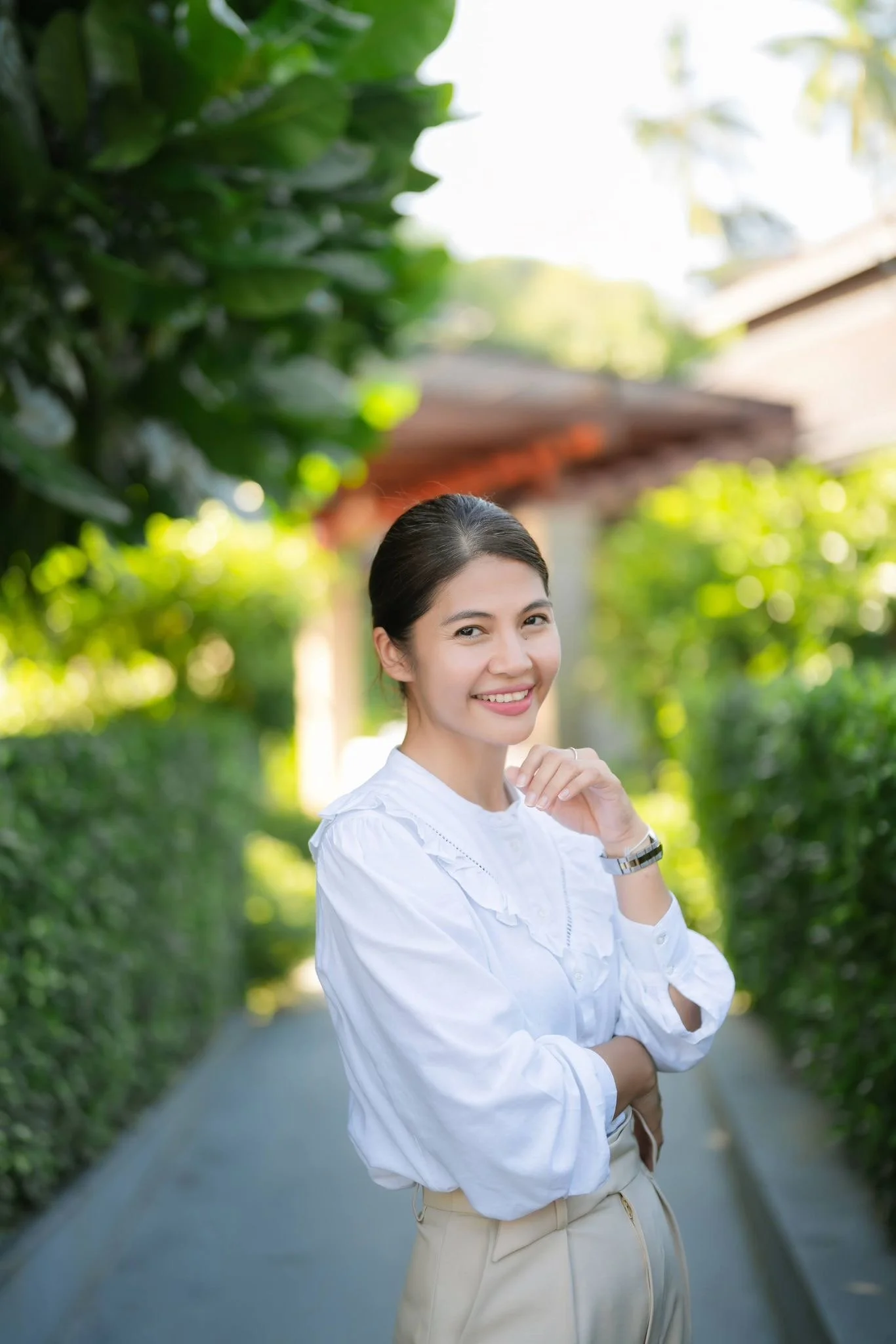

For Khun Oil, one of her earliest challenges was leading in a culture where age and seniority carry significant weight.
“As a younger female leader, I had to prove myself through actions, not just my title,” she says.
Financial planning and operational decisions have traditionally been spaces where women are less visible. Khun Oil learned quickly that credibility would come through preparation rather than assertion — through clear data, careful planning and thoughtful communication.
“Respect is not demanded,” she says. “It is earned.”
At ÀNI, leadership sits close to daily operations — an approach has shaped her style. Decisions are shared. Accountability is visible. Leadership is not distant — it is lived.
In the Dominican Republic, the dynamic has taken a different form. Senior executive roles in tourism are frequently filled by foreign professionals, even in regions rich with capable, local talent.
After building her career in Punta Cana’s large-scale resorts — overseeing departments, managing teams and completing a master’s degree in hospitality management — Jazmín chose to return north. In 2025, she became the first female General Manager for ÀNI in the Caribbean. Her decision was not only professional, but personal.
“As a single mother, coming home gave me balance,” she says. “It allowed me to grow professionally while also being present in my son’s life.”
Where Khun Oil navigated assumptions around age and gender, Jazmín has navigated assumptions about motherhood and availability.
“Motherhood does not diminish ambition,” she says. “It strengthens discipline and responsibility.”
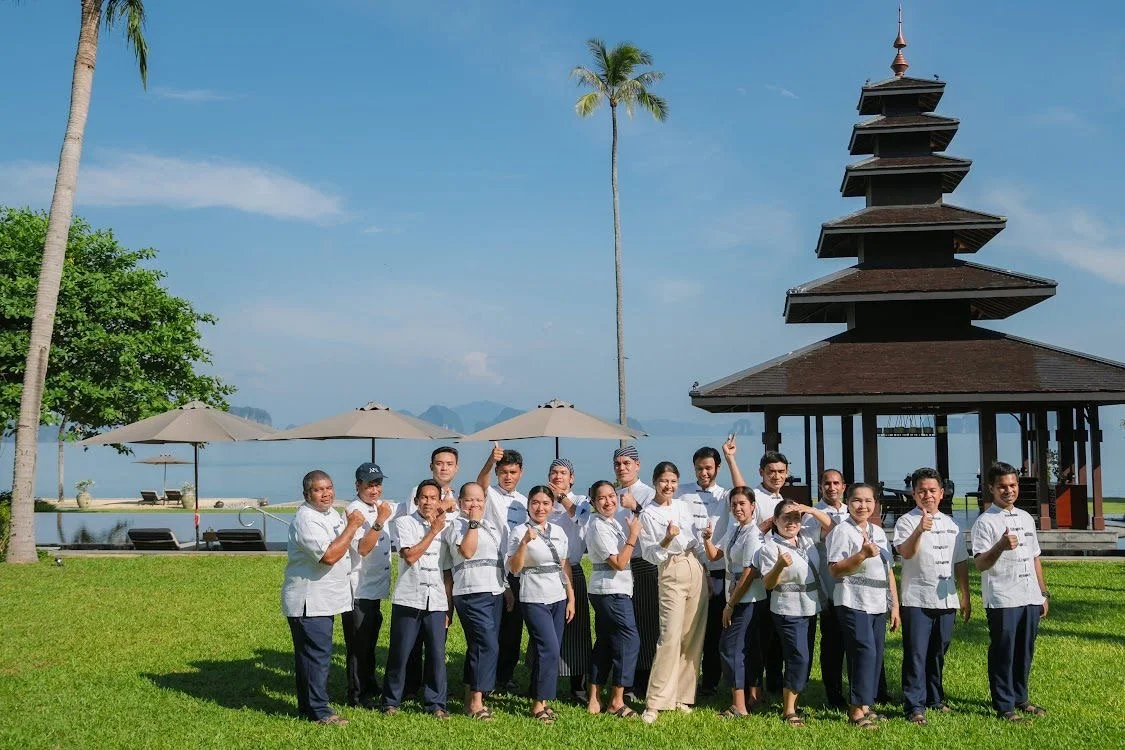
Khun Oil and her team at ÀNI Thailand
The impact of their leadership is perhaps most visible beyond the properties themselves.
On Koh Yao Noi, around 70% of Khun Oil’s team come from the island — many stepping into international hospitality for the first time. The island remains deeply community-oriented, shaped more by fishing and farming than luxury tourism.
Change, Khun Oil says, must be gradual. “You move step by step.”
She regularly visits the local high school where she speaks not only about service, but about management, finance and leadership — and inspiring other young women to pursue a career in hospitality.
Through the ÀNI for Education programme, a new computer lab now serves 300 students, opening access to technology and global networks that were previously out of reach.
“If even one student feels more confident about their future,” Khun Oil says, “that is real success.”
In Rio San Juan, the pattern is similar.
Thirty-five of Jazmín’s 38-strong team are from nearby communities. For many, working at ÀNI has meant first flights, first exposure to international standards, and the confidence that comes with operating at a global level.
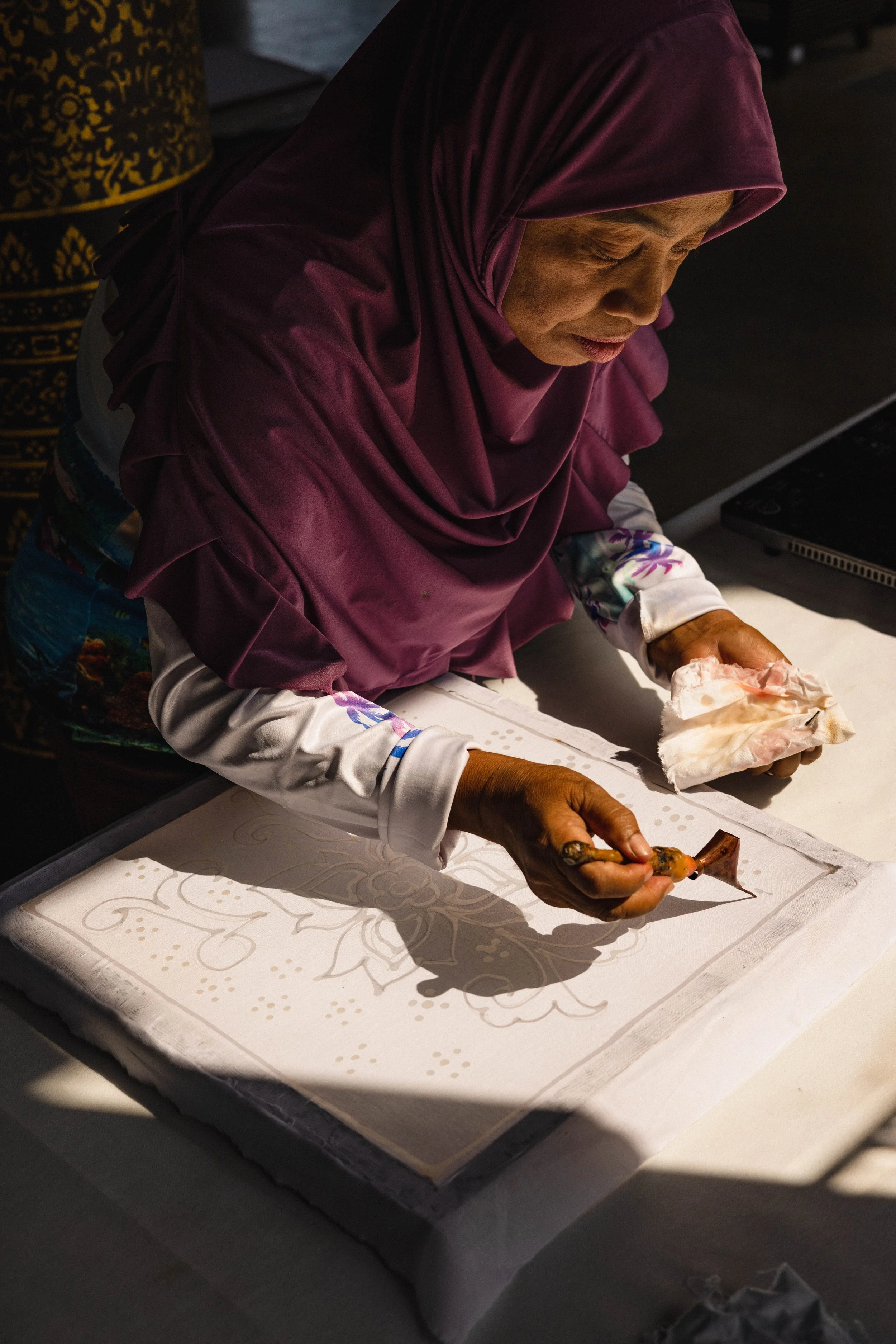
Beyond employment, the ÀNI Art Academies — now accredited by the Dominican Republic’s Fine Arts authority, Bellas Artes — are reshaping creative pathways. Former students such as Melvin Lugo and Patricia Alonzo have painted murals across town, transforming public spaces into reflections of cultural identity and pride.
“When one person gains opportunity,” Jazmín says, “it uplifts the whole family.”
Both women agree: the greatest barrier facing women in tourism leadership is not capability, but expectation.
There remains an assumption — sometimes subtle, sometimes overt — that women must choose between career and family. That motherhood signals limitation.
“The industry must create systems that support women instead of questioning them,” Khun Oil says.
For Jazmín, another shift is equally important — trust.
“The talent is there,” she says. “We must continue opening doors.”

As part of our ongoing commitment to recognising women shaping the future of tourism, stories like these remind us that change is rarely dramatic. More often, it is cumulative — built in classrooms, in operational meetings, in steady decisions made day after day.
For both Khun Oil and Jazmín, leadership does not begin and end with guest experience. It extends into classrooms, into families, and into the communities that surround their resorts — something that has become intrinsic to the way ÀNI operates.