
Oceans Alive: A Community-Led Model for Marine Recovery
Along Kenya’s coast, Oceans Alive is proving that when communities lead, reefs recover. What began as a 30-hectare community sanctuary has grown into a 120 km² co-managed marine zone — with documented increases in fish biomass, coral cover and local incomes.
Founded on the belief that conservation must strengthen livelihoods to last, Oceans Alive has spent more than two decades working alongside fishing communities to restore marine ecosystems while securing food security and alternative income. From coral nurseries and women-led restoration initiatives to responsible tourism and sustainable fisheries management, their work connects ecological recovery with community resilience.
As one of our 2026 Community Impact Fund grant recipients, Oceans Alive reflects the kind of long-term, locally rooted stewardship we believe in — where healthier reefs and stronger communities go hand in hand.
In this conversation, founder Desmond Bowden shares the journey from crisis to recovery, and why trust, collaboration and community leadership remain at the heart of lasting marine conservation.
You’ve been working on Kenya’s coast for more than two decades. What originally inspired you to establish Oceans Alive — and what problem were you trying to solve at the time?
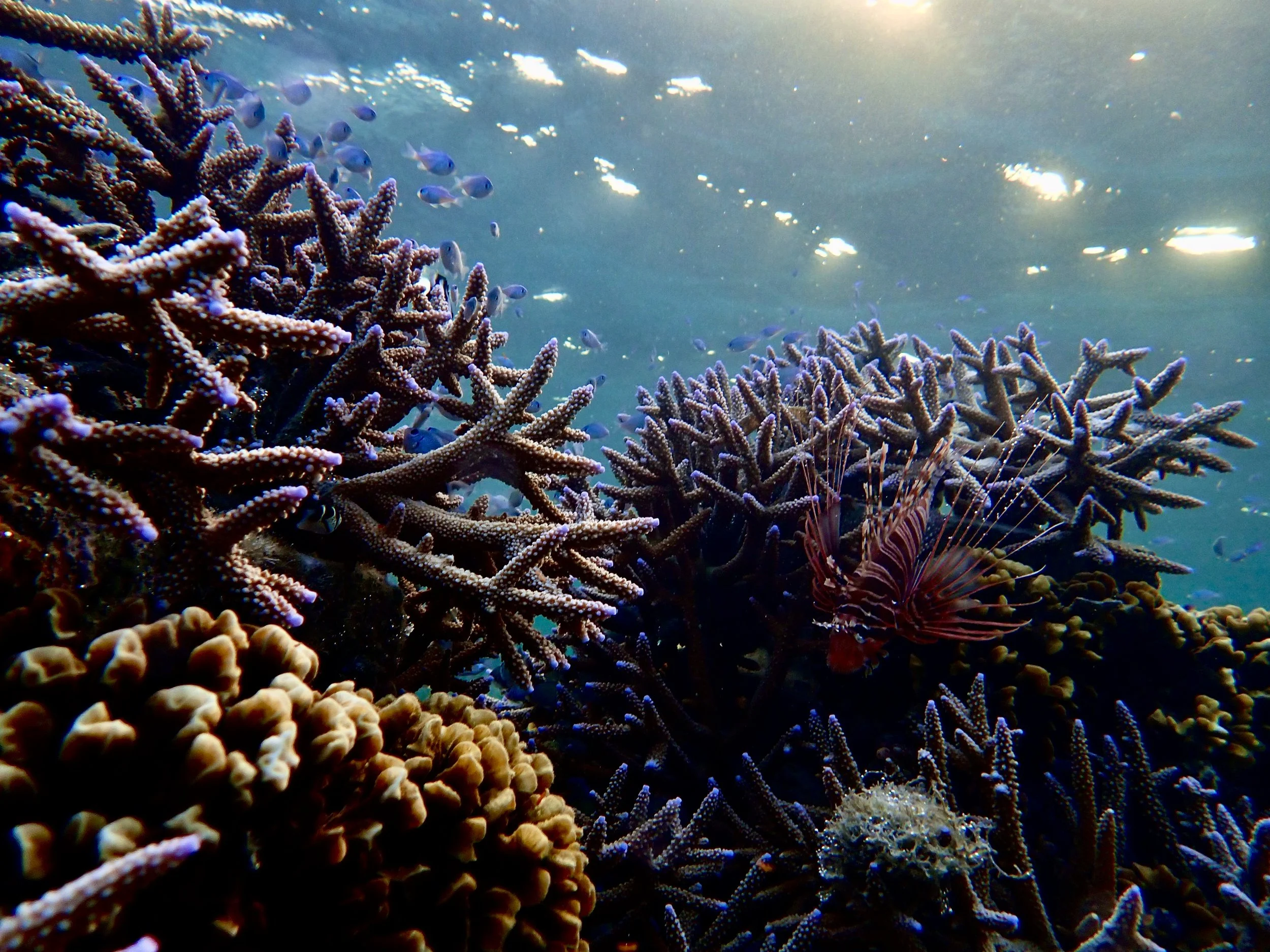
My inspiration to establish Oceans Alive grew from more than two decades of community-based marine resource management. In 2003, fishermen I had grown up with came to me facing a serious decline in fish catches that threatened their livelihoods and survival. Years earlier, a major coral bleaching event had devastated the reefs — and without coral, there were no fish. Overfishing, population pressure, pollution and the aquarium trade only compounded the problem.
In response, we came together to form the Kuruwitu Conservation and Welfare Association and developed a five-year management plan. At its heart was a community-led conservation area, created in 2006 as a breeding ground to replenish surrounding fisheries through spillover. It had no legal backing at the time — only the collective will of the community to restore the marine resources they depended on.
What changes did you witness in the reef and fish populations in those early years — and how did that ecological recovery influence neighbouring communities?
Recovery in the 30-hectare community conservation area was almost immediate. Coral began to regrow, fish reached maturity and returned in numbers I hadn’t seen for years, and the ecosystem slowly found its balance again. Research recorded a 300% increase in fish biomass, a 30% rise in coral cover and a 15% increase in seagrass within the first decade.
What was meant to be a temporary sanctuary soon became permanent — at the fishermen’s own request. As biodiversity returned, so did opportunity. Visitors came to witness the transformation, creating alternative income for the community and proving that a thriving reef could be more valuable than a depleted one. From there, other income-generating projects followed, and a community-led marine management model began to ripple along the Kenyan coast, inspiring neighbouring communities to learn and replicate the approach.
You started with 30-hectares and have since expanded into a 120 km² co-managed marine zone. What does “co-managed” mean in practice, and how does that model differ from traditional top-down conservation?
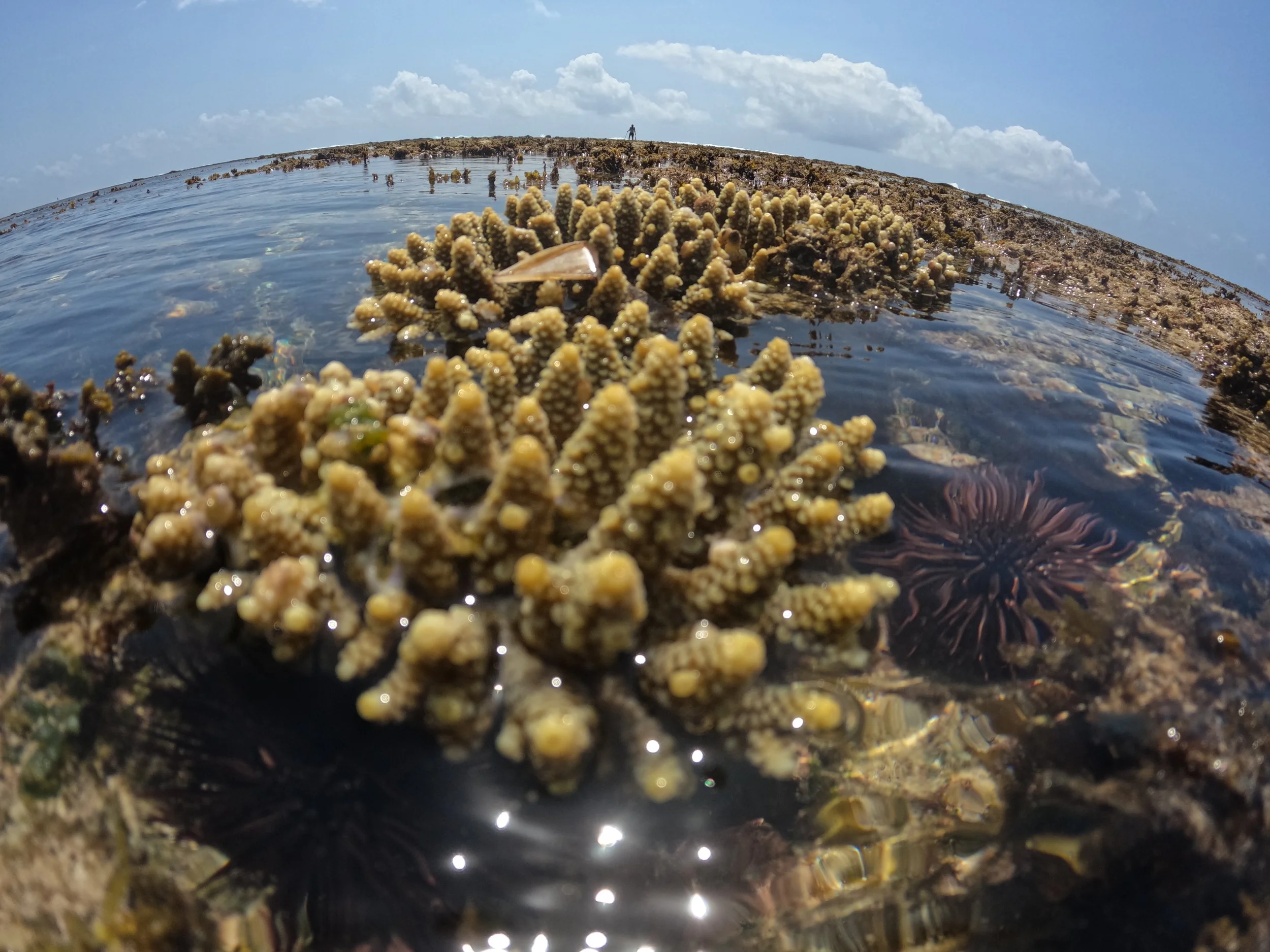
Yes, we began with 30 hectares, and that community-led movement gradually rippled along the coast. Inspired by the sanctuary’s success, the Kuruwitu fishing community supported expanding protection to a much wider area. Oceans Alive helped facilitate that growth, increasing the protected zone to 120 km² — unprecedented in Kenya’s marine management history. The area was officially gazetted in 2022, with agreed measures put in place.
Co-management means collaboration in practice. Government, community members and other stakeholders work together towards a shared goal: sustainable fisheries and long-term marine health. This differs from traditional state-run marine protected areas, which often excluded local people and provided little direct benefit. Our approach is bottom-up and community-led, built on the belief that conservation only succeeds when it strengthens livelihoods alongside ecosystems.
At the heart of Oceans Alive is a dedicated local team. Can you tell us a little about the people behind the project — and how community leadership shapes your work on the ground?
Oceans Alive was founded in 2017 with a clear vision: to accelerate community-led marine conservation. After more than 20 years working alongside coastal communities, I knew real change required a small, committed team built around four pillars — economic, environmental, governance and social. In the early days, there were just three of us, driven more by belief than resources. We ran a gap year programme alongside our conservation work to sustain ourselves while gradually building the team we’d hoped for.
Today, Oceans Alive is powered by people rooted in their communities — from fisheries and marine management specialists to those with expertise in permaculture, governance and project delivery. What unites them is what we call passion-driven action and community leadership shapes everything we do. Local people are the custodians of their marine resources; they know the sea better than anyone. Our role is to support them with training, technical guidance and livelihood opportunities, because conservation only lasts when communities benefit alongside nature.
A core belief of Oceans Alive is that conservation must benefit local people to last. How have you ensured that marine protection directly strengthens food security and livelihoods?
That belief has guided the work from the very beginning. When we started more than 20 years ago, the focus was simple: restore fish stocks to secure food security and livelihoods. Sustainable fisheries management was not just about protecting nature, it was about survival for coastal families. That principle still underpins everything we do today, both on land and at sea.
Alongside marine protection, we support alternative income opportunities, awareness and education programmes — whether in the field or through our education centre — ensuring that conservation strengthens livelihoods rather than restricting them.
We loved your story of the Mama Karangas — the women fishmongers who are now coral gardeners and ocean ambassadors. How has involving them in restoration work shifted both environmental outcomes and community dynamics?
Traditionally, long-held cultural beliefs meant women along the coast rarely entered the sea. By inviting the Mama Karangas to take part in coral restoration — work that directly benefits their livelihoods — we’ve helped open up new space for leadership and confidence.
At Oceans Alive we talk about “completing the circle”. Through this programme, the women see clearly the link between coral and fish: more coral means more fish, which strengthens food security and income. That understanding has ripple effects. The Mama Karangas now advocate for sustainable fishing, refuse to buy undersized fish and influence practices within their own households and communities.
In doing so, they’ve become powerful ocean ambassadors — shifting both environmental outcomes and community dynamics in lasting ways.
For readers unfamiliar with reef recovery, can you explain the difference between passive protection and active coral restoration — and why both approaches are needed in your region?
Passive protection allows reefs to recover naturally by removing pressure. In Kuruwitu, simply closing the original 30-hectare sanctuary led to remarkable results within six years: coral cover increased by 30%, fish biomass by 300% and seagrass by 17%. The more coral cover a reef has, the more resilient it becomes. In many cases, protection alone is the most effective tool.
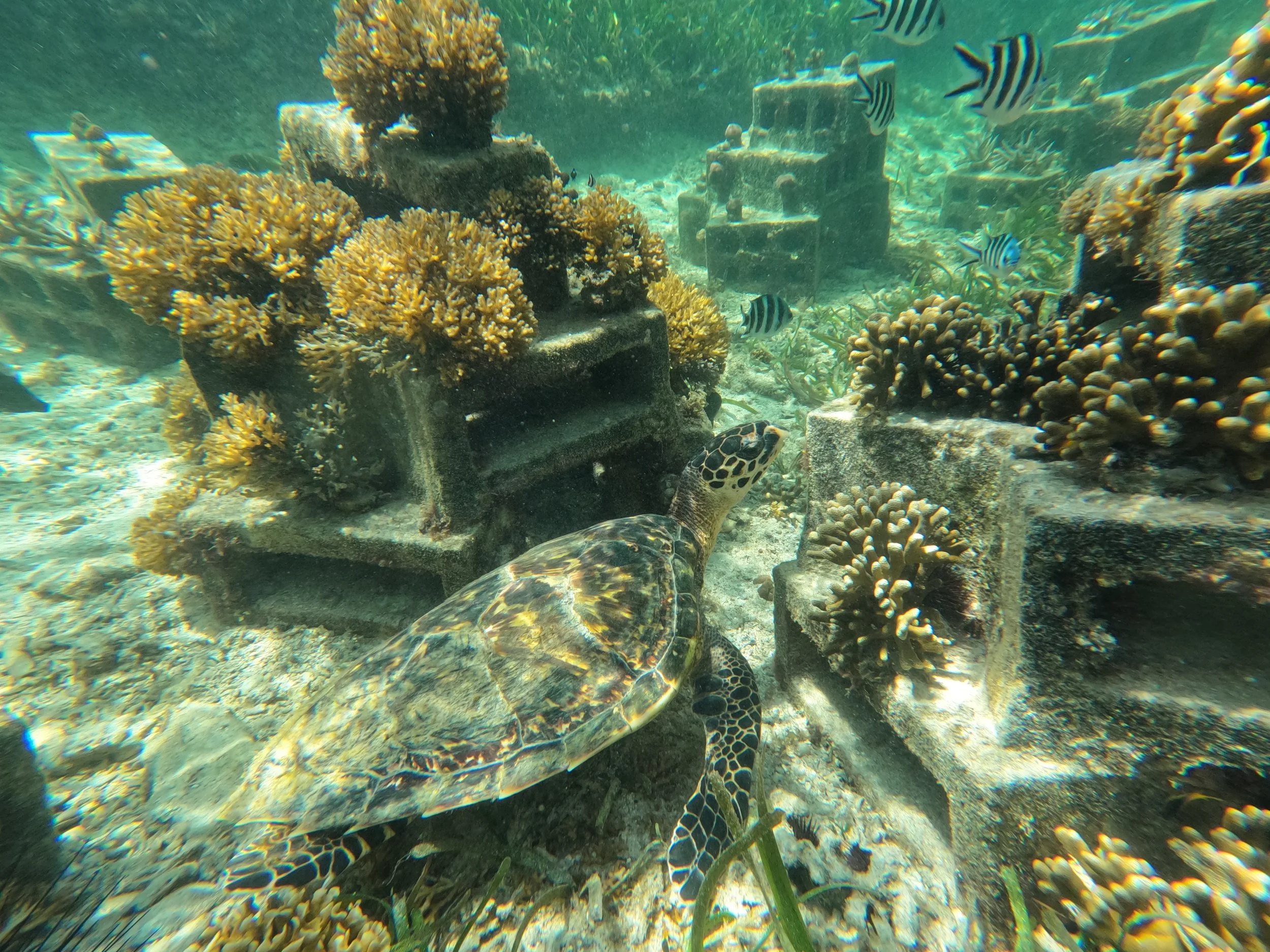
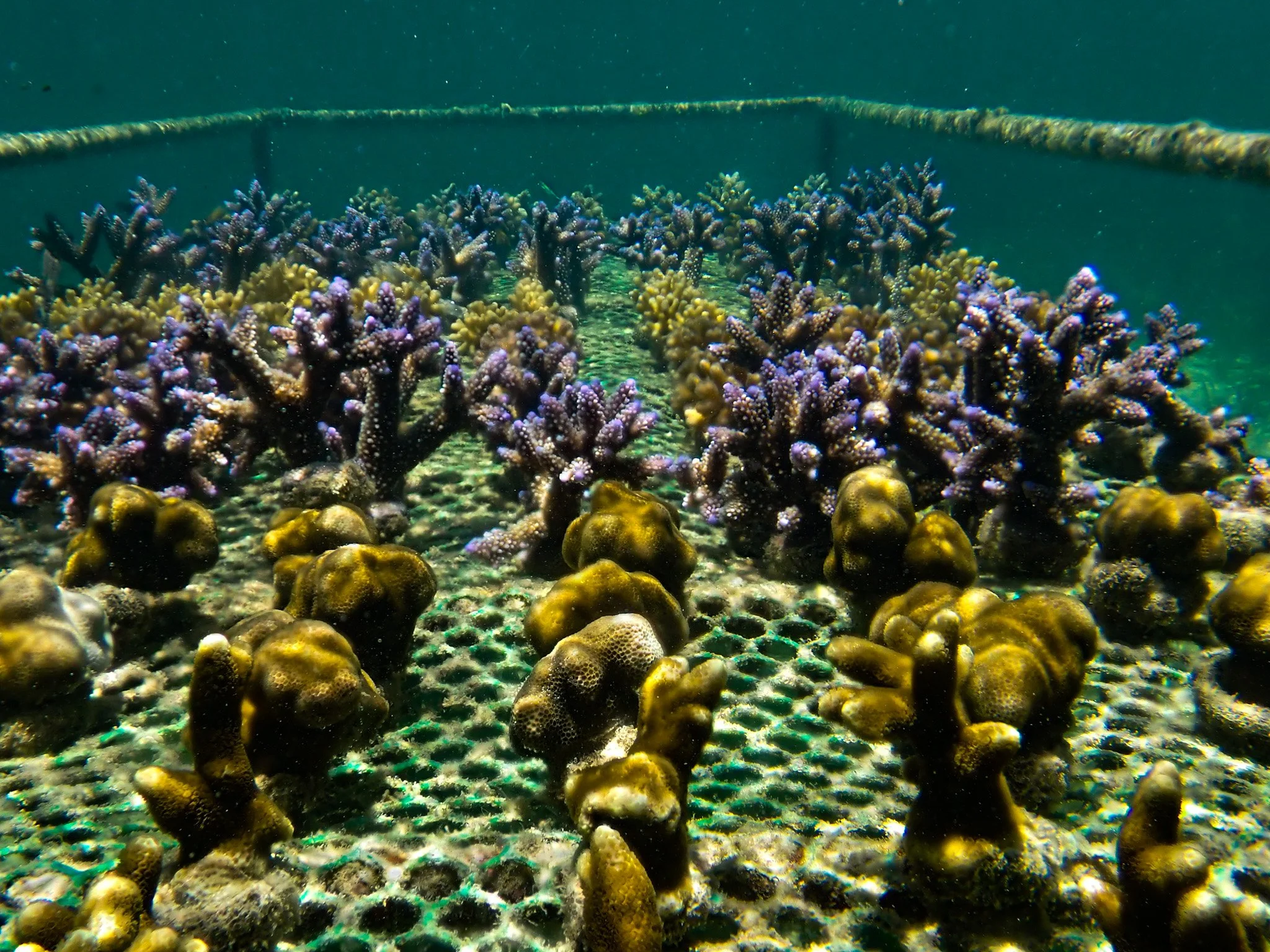
Active coral restoration, by contrast, involves growing and replanting coral using techniques such as nursery tables and out-planting onto the seabed or artificial structures. It is resource-intensive and difficult to scale, but it plays an important complementary role. Restoration helps accelerate recovery in damaged areas, strengthens overall reef resilience and serves as a powerful education and engagement tool for women, youth, fisherfolk and visitors.
Together, passive protection and active restoration reinforce one another — building healthier reefs while deepening community involvement and awareness.
The Community Impact Fund will be supporting your coral restoration work this year. Can you share how the funding will be used in practical terms — and what outcomes you hope to achieve?
The Community Impact Fund will help us strengthen and scale our coral restoration work within the co-managed marine zone at Kuruwitu. In practical terms, the funding allows us to expand our coral nurseries, train and equip more community coral gardeners including Mama Karanga women, fisherfolk and youth, and increase out-planting in degraded areas of the reef. We will also maintain the basic monitoring and equipment needed to track coral survival and fish recovery.
We have already seen what protection can achieve. In our original 30-hectare sanctuary, fish biomass increased by 300 percent and coral cover by 30 percent. Active restoration helps accelerate recovery in areas where natural regeneration is slower.
The outcomes we hope to see are increased live coral cover, more fish, and stronger reef resilience to climate stress. Just as importantly, restoration creates paid work, strengthens the role of women as ocean stewards, and builds greater community ownership of marine management. Closures remain the most powerful tool for recovery. Restoration makes those closures visible and tangible. As reefs recover, biodiversity returns, visitors follow, and sustainable income can support long-term management.
Ultimately it comes back to a simple cycle: more coral, more fish, stronger livelihoods, stronger support for protection, and a healthier ocean for the future.
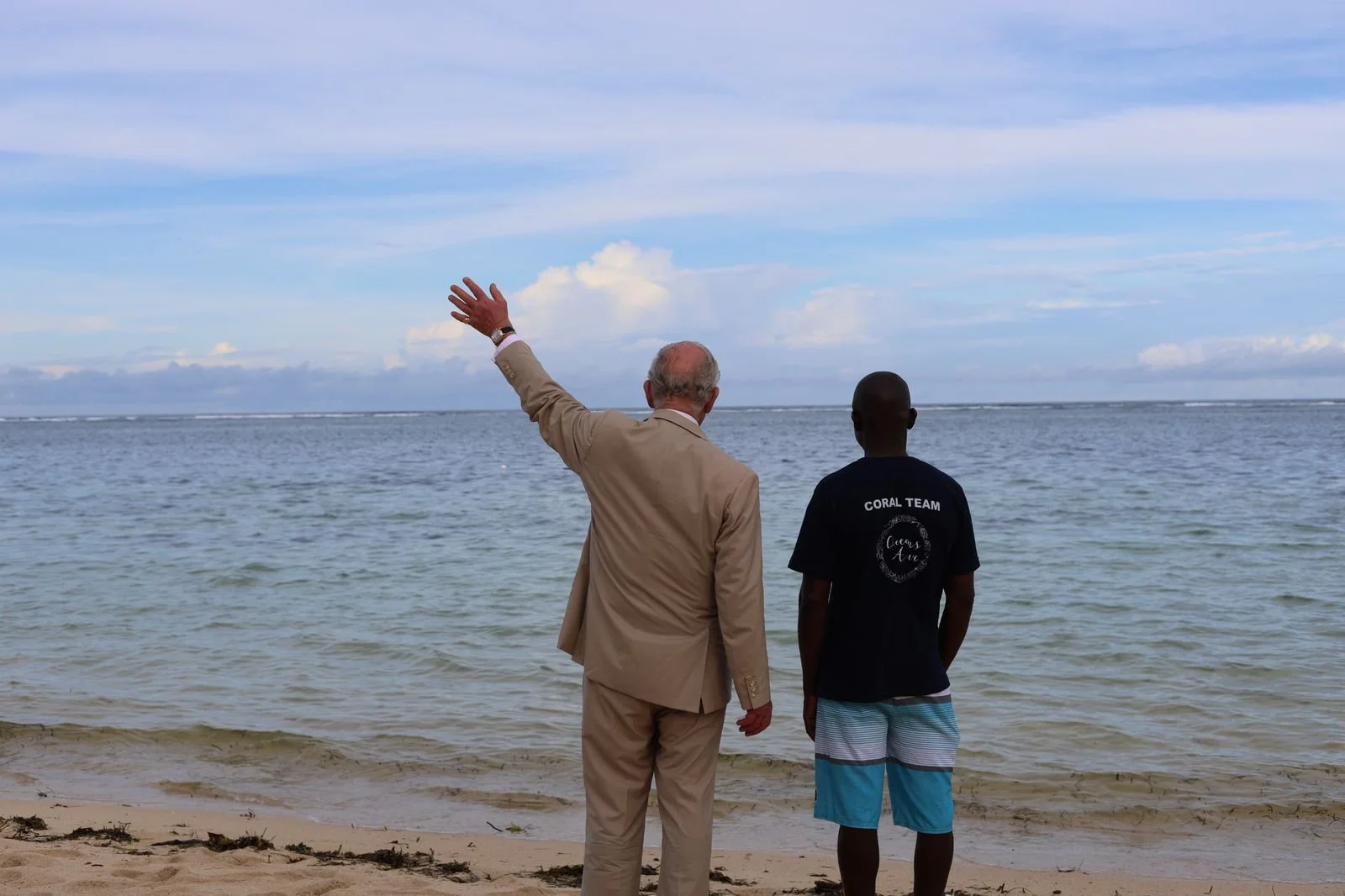
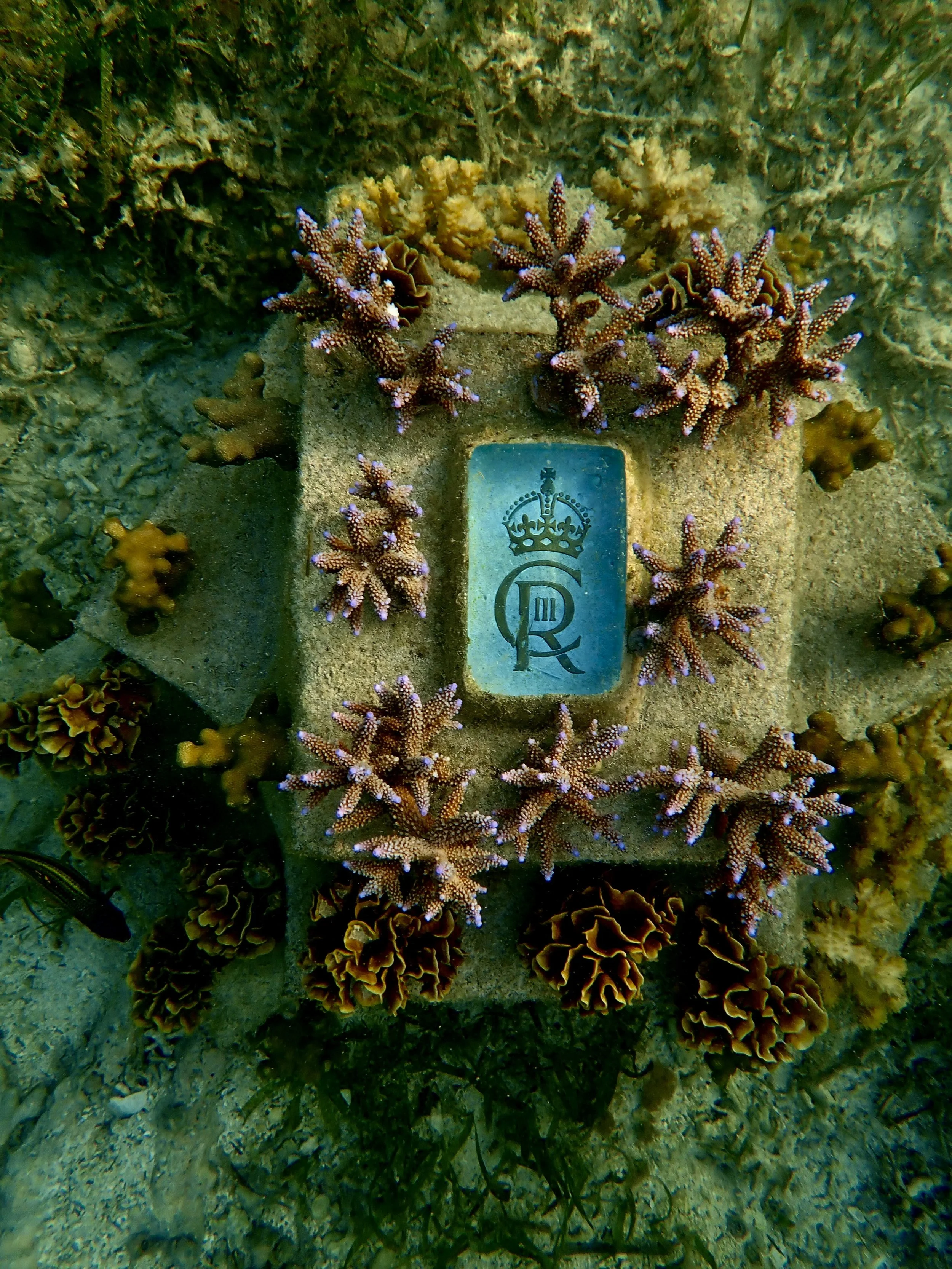
Our Community Impact Fund takes a trust-based philanthropy approach, focused on long-term partnership rather than restrictive funding. From your perspective, what makes this kind of support valuable for grassroots conservation organisations?
Grassroots marine conservation does not operate in straight lines. Ecological recovery, community behaviour change, governance reform and changes in livelihoods are a complicated, adaptive processes. Short-term funding often compromises us to prioritise reporting over building sustainable solutions. The tail wags the dog. A trust-based approach allows us to focus on outcomes. Trust-based philanthropy fits in perfectly with the core principle of our work and from our experience conservation succeeds when trust exists between organisations and their partners. When funders trust local organisations to use resources intelligently and adaptively, we have better impact, stronger community ownership and more sustainable ecological recovery. That is what makes this type of support so valuable to us.
Tourism has become an important part of your model, from coral sponsorship to visitor experiences like planting coral. How do you feel responsible can tourism strengthen long-term reef recovery rather than undermine it?
At Oceans Alive, tourism is built around education, participation and strict environmental guidelines. We want visitors that don’t just come to look at the reef, they learn about it, help plant coral under supervision, and understand why closures and sustainable fishing matter. The income generated supports reef monitoring, patrols, restoration work and community livelihoods. When local people see that a healthy reef brings steady income through visitors, it reinforces the value of protecting it long term. The key is control and visitor numbers must be managed, activities supervised, and conservation kept as the priority. When tourism is community-led, low-impact and conservation-focused, its for protection with less pressure.
Beyond financial support, how can our members, readers and other ocean enthusiasts contribute to your work in practical ways?
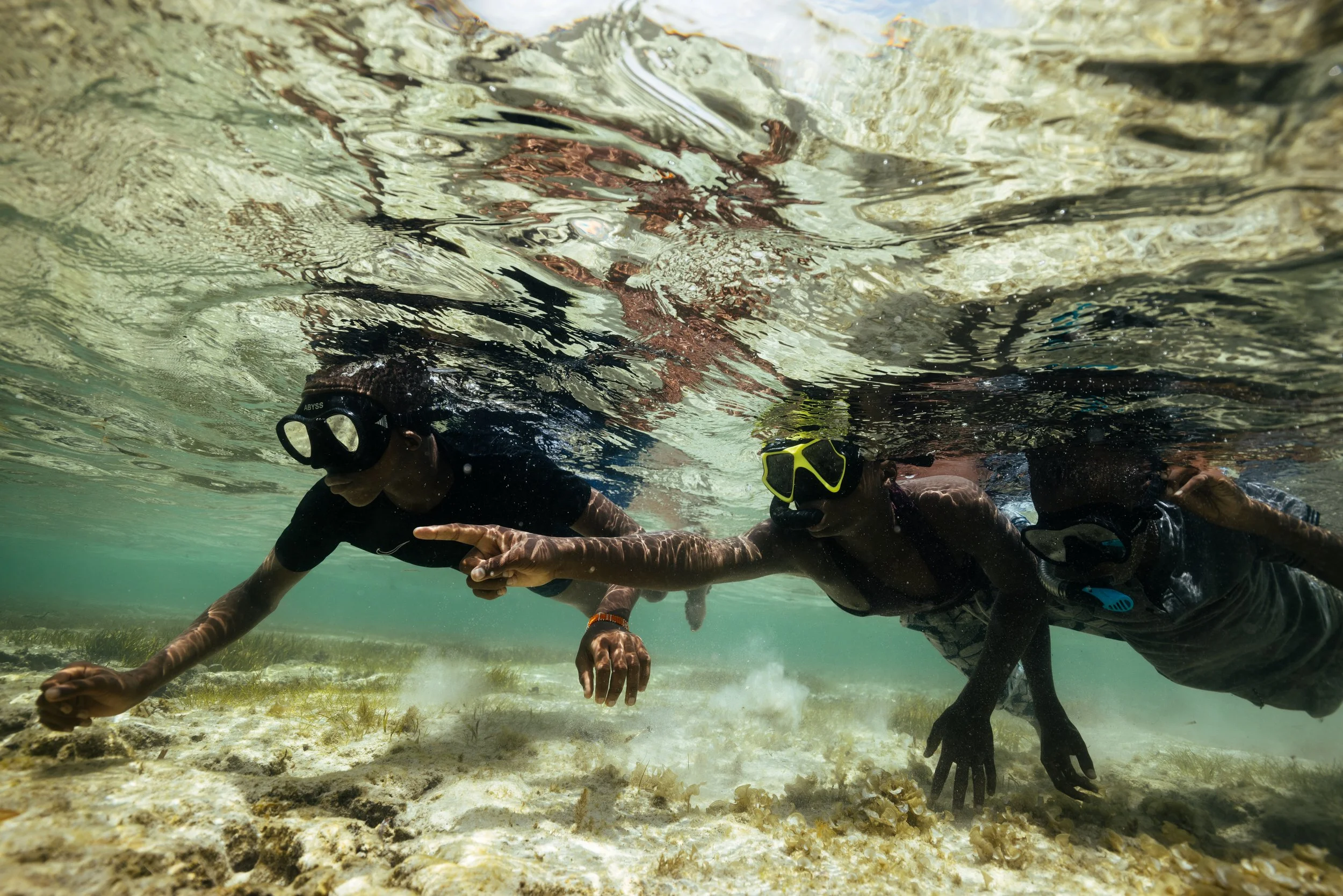
There are many ways people can support Oceans Alive beyond financial contributions. Spreading the word about our work and visiting us makes a real difference. People can join or promote our education programmes, get involved in reef restoration or even sponsor and help plant a reef.
We also welcome people sharing their skills in areas like education, art, technology or communications, as well as donating equipment such as cameras, laptops, diving or snorkelling gear. Organisations can support us through technical expertise, tools or partnerships that strengthen our impact.
Sometimes the most powerful support comes through networks. Connecting us to the right people, platforms or opportunities helps us grow our reach and strengthen our work on the ground. At the heart of it, anyone who believes in healthy oceans can be part of the journey.
Looking ahead three years, what would success look like — both for the reef ecosystem and for the community?
Looking ahead three years, success for us means both ecological and social progress, because the two are inseparable.
For the reef, we would see healthier, visibly thriving ecosystems. Increased coral cover in restored areas, more fish and greater species diversity within closures, and clear spillover benefits into surrounding fishing grounds. We would also hope to see stronger reef resilience to climate stress, more community-supported closures and effective local management measures in place.
For the community, success would mean more stable fish catches, diversified incomes linked to sustainable fisheries and responsible tourism, and strong compliance with locally agreed protections. We want to see women and youth playing visible leadership roles, and a co-managed system that can cover its core costs through sustainable revenue.
Ultimately, it is about healthy reefs supporting stronger livelihoods, and stronger livelihoods reinforcing long-term protection.
And finally — after 23 years of dedication to this coastline — what gives you hope today?
What gives me hope is that government is including coastal communities in the management of their marine resources. In the past the Ocean has been largely ignored in terms of conservation. It has been pillaged and fisheries around the world are on the brink of collapse. However recent awareness on the plight of the Ocean and especially for those that rely on it has grown enormously. People and organisations that have a negative impact in the past are being help accountable and governments, corporations, philanthropist are beginning to support the drive to protect our Oceans
What gives us hope today is evidence. We have seen a reef recover from near collapse to become a thriving breeding ground. We have seen fish return, biodiversity increase, and incomes improve when communities are given ownership of their marine resources. We see women who once never entered the sea now leading coral restoration. We see fishers defending closures they once resisted. We see young people choosing stewardship over exploitation.
After 23 years, hope is no longer a dream, it is visible in the water and in the people. When started we never thought that this level of success could be possible.
To learn more about Oceans Alive’s work — or to support their mission directly — visit oceansalive.org. Whether by visiting Kuruwitu, sponsoring coral restoration, sharing their story or connecting them with new partners, your support can help them strengthen a model where thriving reefs sustain thriving communities — and where local custodians lead the protection of their own coastline.