
Project Hiu: How Lombok’s Fishermen Are Rewriting the Future for Sharks
In Lombok, Indonesia — at the centre of the world’s largest shark fishing nation — Project Hiu is reshaping what ocean protection looks like. What began with one boat and a simple idea has grown into a powerful model: replacing shark fishing with regenerative tourism, and proving that sharks are worth more alive than dead.
Founder Madison Stewart arrived determined to document shark fishing. Instead, she built relationships with the fishermen themselves — and discovered that lasting conservation would only succeed by working alongside the community, not against it.
Now partnering with 13 former shark fishing vessels and welcoming hundreds of guests each year, Project Hiu creates safer livelihoods for families while directly reducing fishing pressure.
As one of our 2026 Community Impact Fund grant recipients, Project Hiu embodies the kind of community-led change we believe in: protecting ecosystems by investing in people and shifting incentives at their source.
In this conversation, Madison shares the journey behind the project — and how former shark fishermen are becoming some of the ocean’s most powerful guardians.
Madison, you first came to Indonesia to document shark fishing. What changed for you when you began spending time with the fishermen in Lombok?
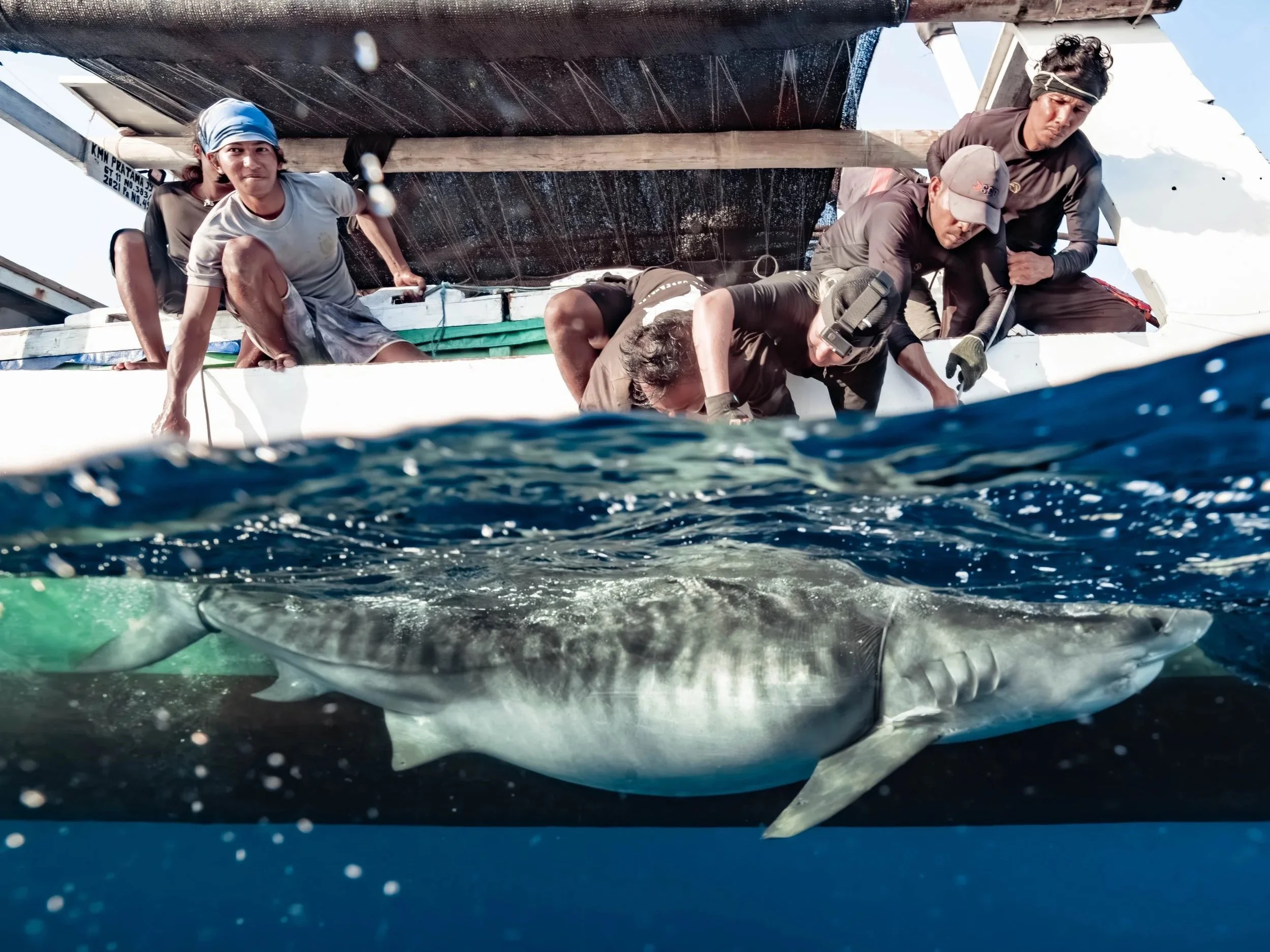
As a shark conservationist with a passion for protecting the oceans, I had made up my mind in regards to shark fishermen being the bad guys! Time in Lombok with the fishermen was a humbling occurrence for me, I saw who they really were, hard working family men who were nothing but kind to me, this allowed me to see their true motivations for fishing and realise that the solution could be to work with the fishermen and not against them.
You’ve spoken about how the project began with one boat and a simple idea — that tourism could compete with the shark fin trade. Can you tell us how that idea evolved into Project Hiu?
I wanted to offer money to a shark fishing vessel, so I literally went to the market where sharks are being brought in to find a boat to take us snorkelling and surfing for the next week. The crew were literally unloading their catch of sharks as I was negotiating prices with their captain. The idea was, they would still make money but not be killing sharks and that one boat was so good with the guests, so happy to be away from fishing and so keen for us to come back, the captain told his brothers, then I had 4 boats, then more and more. The idea evolved because of the willingness of the fishermen and the desire for tourists to also put their money into something meaningful while enjoying the oceans.
Indonesia is the largest shark fishing nation in the world. How does Project Hiu create an alternative economy that makes sharks more valuable alive than dead?
The major way we do this is to replace the wage of fishing with a good and competitive wage in tourism, there is a lot more to it though. We also help the community by donating to the school and education of the children. From building bathroom blocks to supply clean drinking water. We also pay off the debts owned on some of the boats so the fishermen are more financially willing to give up shark fishing and become involved in tourism, as so many of them owe money to the shark fin buyers who invested in their vessels. The biggest way we have achieved our goal though, is through the collaboration and willingness of the fishermen. They want to take tourists to swim with sharks, which means they aren't at sea for 2-3 weeks facing dangerous conditions everyday, it is their mentality that has made it possible for us.
We’re so excited to be able to support your work with our Community Impact Fund this year. Can you share how the funding will be used in practical terms — and what outcomes you hope to achieve?
Funding from the Community Impact Fund will be used in three practical ways: first, to decommission at least one shark-fishing boat for a full year by employing its crew through tourism and research trips, directly reducing fishing pressure while providing stable wages; second, to expand community education through scholarships and third, to deepen research into fishermen’s lived experiences to strengthen storytelling and advocacy around safer livelihood alternatives . Through this support, we aim to prevent over 1,000 sharks from being caught annually, provide consistent income to participating fishermen, support at least 3 students with scholarships over three years and produce structured data and reports that demonstrate both conservation impact and social change.
A powerful part of your work is shifting perceptions — not only about sharks, but about the men who fish them. How has your own view of conservation evolved through this journey?
My personal journey is undoubtedly the most significant one here, as nothing would have happened if I never set emotions aside and focused on the big picture. Conservation and a passion for our natural world will quickly have you deciding who your enemies are and rarely do you see people put aside their personal beliefs for the cause, but that's exactly what I had to do. I began by thinking the fishermen killing sharks were not only uneducated but inherently evil, through time and humility I realised that if born into their community, i’d also be fishing sharks to survive. The recognition of privilege and how it allows us to look at the natural world as something to enjoy as opposed to something used for survival, has to be recognised if you’re going to make a difference, as the project evolved so did my mind, now it’s equally about sharks as it is the men who fish them and I learnt quickly if you want to change the world, you have to understand someone else's.
Tourism is sometimes criticised for its environmental impact. In your experience, how can tourism become a force for marine conservation and community empowerment?
Tourism can be criticised and rightfully so, if done incorrectly it can have a negative impact. However when you take tourism to areas of unsustainable fishing or low socio economic challenges, it's also a powerful tool. It’s a guardian against the industries that are trying to profit off the destruction of the natural world, by being one of the few massive industries that profits from its preservation. I truly believe in this current world, tourism may be the biggest weapon we have to protect the planet.
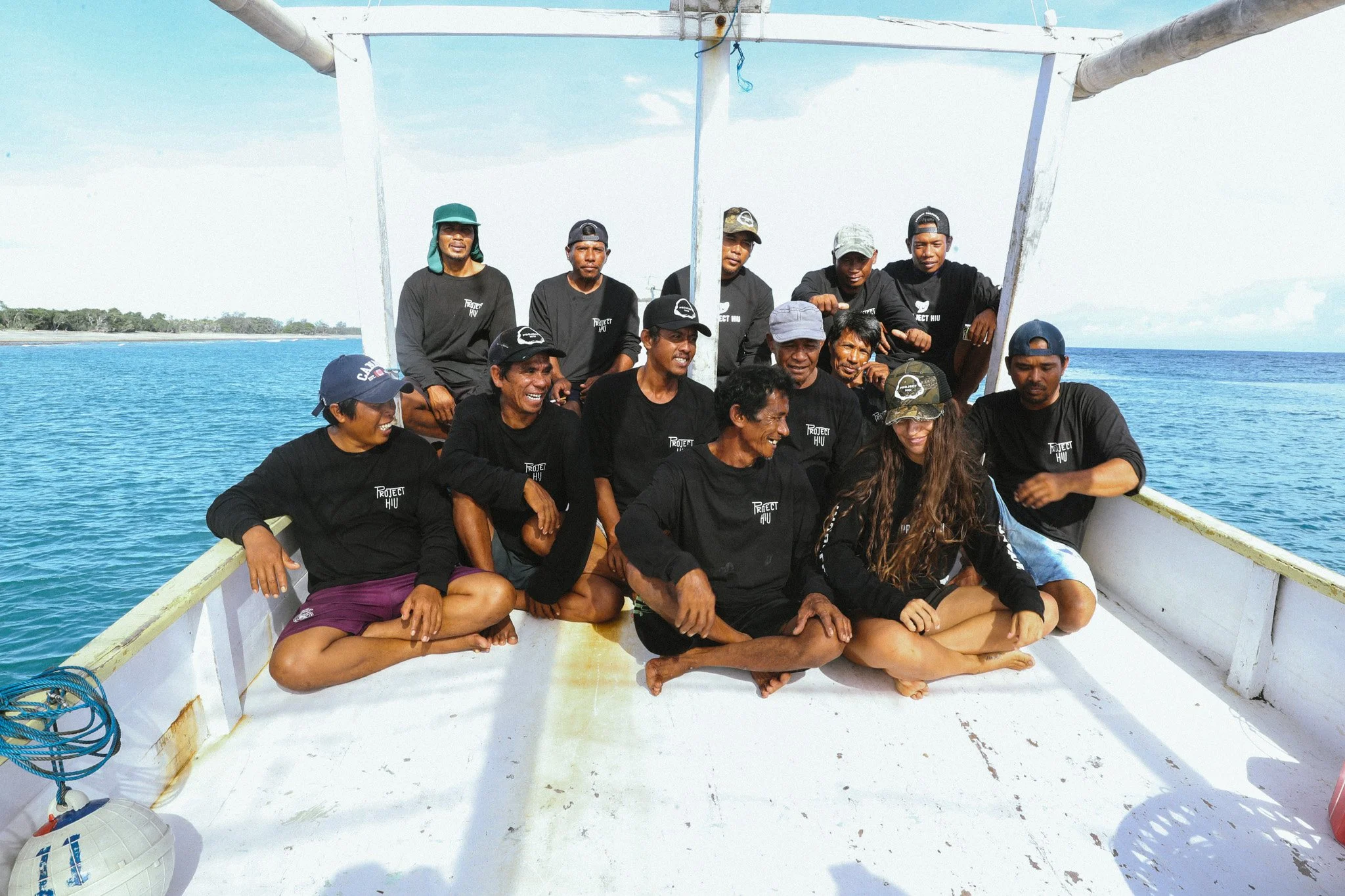
Project Hiu now works with 13 boats and has welcomed over 800 guests in the past year. What does that growth mean for the fishermen and their families?
It’s been absolutely unreal to watch the project expand and the opportunities afforded to the families of the fishermen change with the introduction of micro economies, the larger presence of family members, the safety tourism provides and the impact of connections with tourists. I can give numbers, like we’ve seen attendance at the school improve as measured by social impact reports, we’ve got the numbers of earnings for the fishermen and even the numbers of sharks saved, but the actual real change is in the hearts of the fishermen who love their new occupation so much, they beg to not have to return to fishing in our slow months. The support from the fishermen and the people who have joined our trips has proved the revolution that can occur.
We understand that education is a key part of your model, supporting the children of fishing families. Why is it so important that the whole community benefits — not just those directly employed by the project?
I love this question. We have so many young people come through our project wanting to understand conservation and how to approach it in the real world. One of the key principles I try to instill in them is this: when you’re challenging a powerful industry that profits from the destruction of a community’s natural environment, you can’t just oppose it, you have to offer something better. For us, that means ensuring tourism benefits the entire village, not just the handful of boats we directly work with. When everyone feels the impact, from families to local businesses, our presence becomes valued and protected. That collective benefit builds community support, and community support is what sustains conservation long term. In contrast, outside operators who come in to profit from extractive industries rarely reinvest in the broader community. They don’t create shared value. And that’s where the shift happens, when people see that protecting their natural world can generate opportunity for everyone, not just a select few.
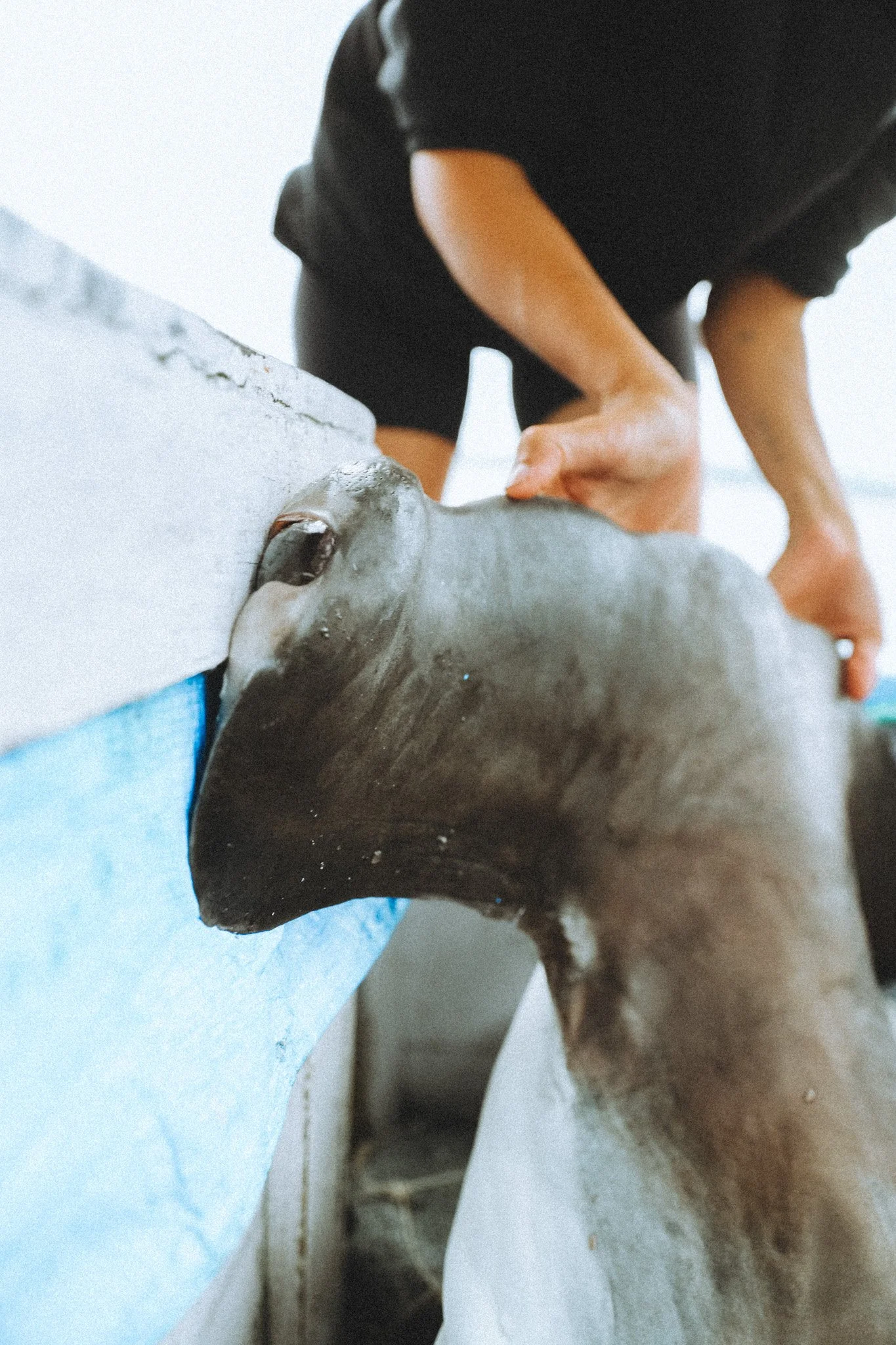
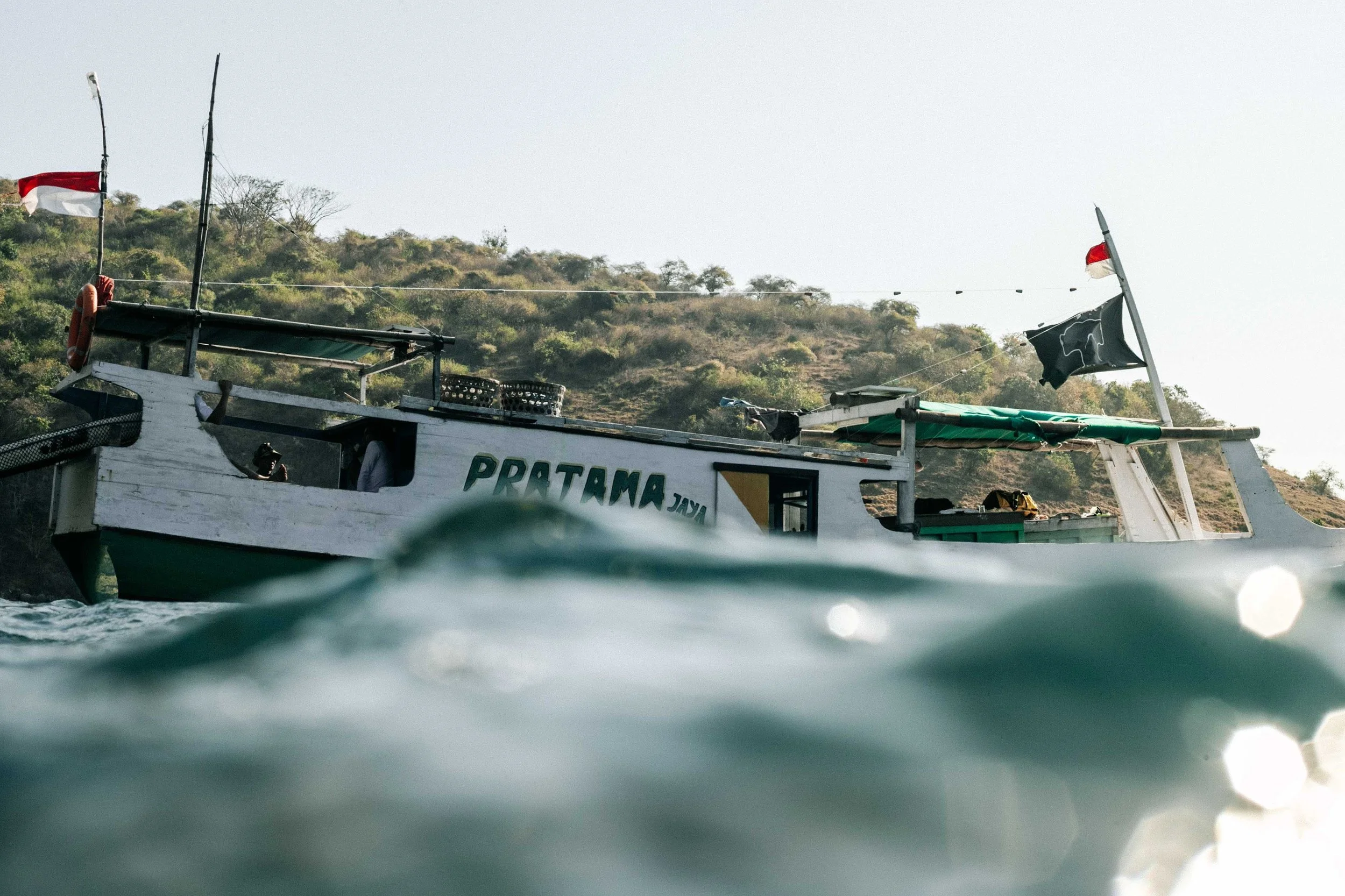
Guests joining Project Hiu don’t just snorkel — they meet fishermen and witness the realities of the shark trade, even visiting the markets. Why is that direct exposure so important?
This exposure is so important as it breeds inspiration for many and they begin to understand the complexity behind the issue. Shark fishing in places like this one is not driven by malice, but by debt, generational poverty, and lack of alternatives. Seeing this reality up close replaces judgment with empathy. That shift matters. It deepens guests’ commitment to conservation, strengthens trust between visitors and the local community, and creates ambassadors who understand that protecting sharks requires supporting people first. By being transparent about the problem, Project Hiu builds credibility and shows that sustainable tourism is not just about beautiful reefs, it’s about confronting difficult truths and actively participating in change.
For travellers passionate about the ocean, what makes your expeditions such a powerful experience?
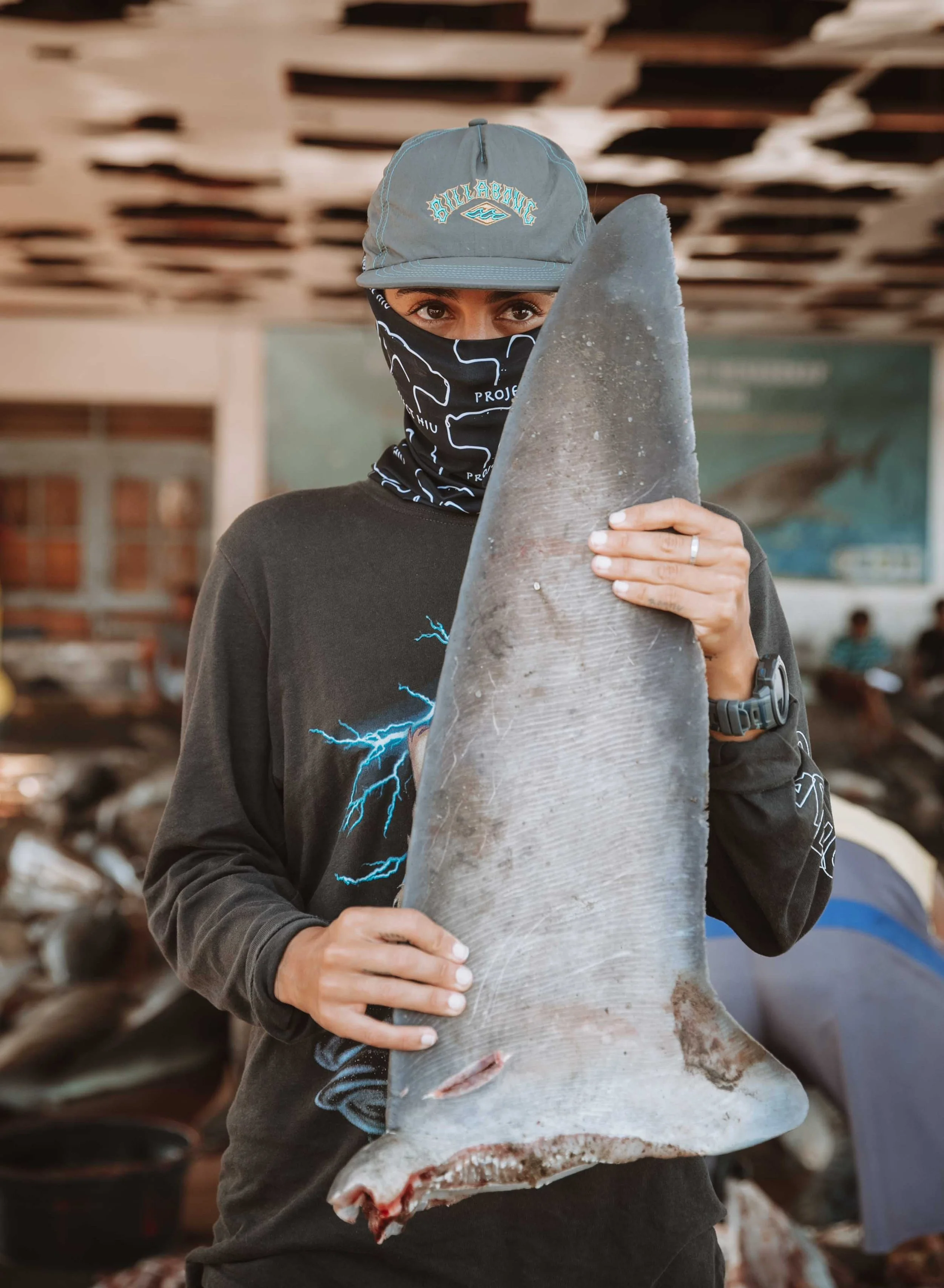
This is the only experience in the entire world that occurs on active licenced shark fishing vessels where your presence is replacing the shark fishing and your guides in the water are the fishermen themselves. Shark tourism is now very popular, but only on my trips can you hold the drying fins of protected species you may have once swum with. Our trips will show you the dark side of the industries eating our oceans and at the same time fill you with hope in the presence of our shark fishermen. You’ll be saving sharks with your mere presence and make friends with the fishermen you once demonised.
Have you begun to see tangible changes in the marine ecosystem since the project began?
One of the sites we visit has seen a large increase of baby black tip reef sharks, this is a direct impact of the local lobster farmers not fishing them to feed their lobsters as requested by the fisherman we work with.. However on a larger scale, measuring tangible ecosystem change with sharks is incredibly complex. Sharks are long-lived, slow-growing, and highly migratory species, so population recovery takes years, often decades and requires broad regional data, not just local observations. Unlike reef fish, you can’t quickly measure “more sharks on the reef” and attribute it to one project. Meaningful scientific conclusions require tagging data, fisheries records, and long-term monitoring. That said, we are seeing important early indicators. In landing sites we’ve observed reduced catch volumes coming from boats that are now working with us. When a vessel is decommissioned into tourism, that fishing effort stops entirely, which is immediate, measurable impact. We’ve also seen shark fin buyers offering our partnered boats higher prices to try to lure them back into the trade, which signals reduced supply and increased demand pressure. While that creates challenges, it also confirms that removing even a small number of boats meaningfully affects local catch flow. So while we cannot yet claim ecological recovery at a population level, we can confidently say that fishing pressure from our partnered vessels has dropped to zero during their employment with us and in shark conservation, reducing effort is the first and most critical step toward long-term ecosystem recovery.
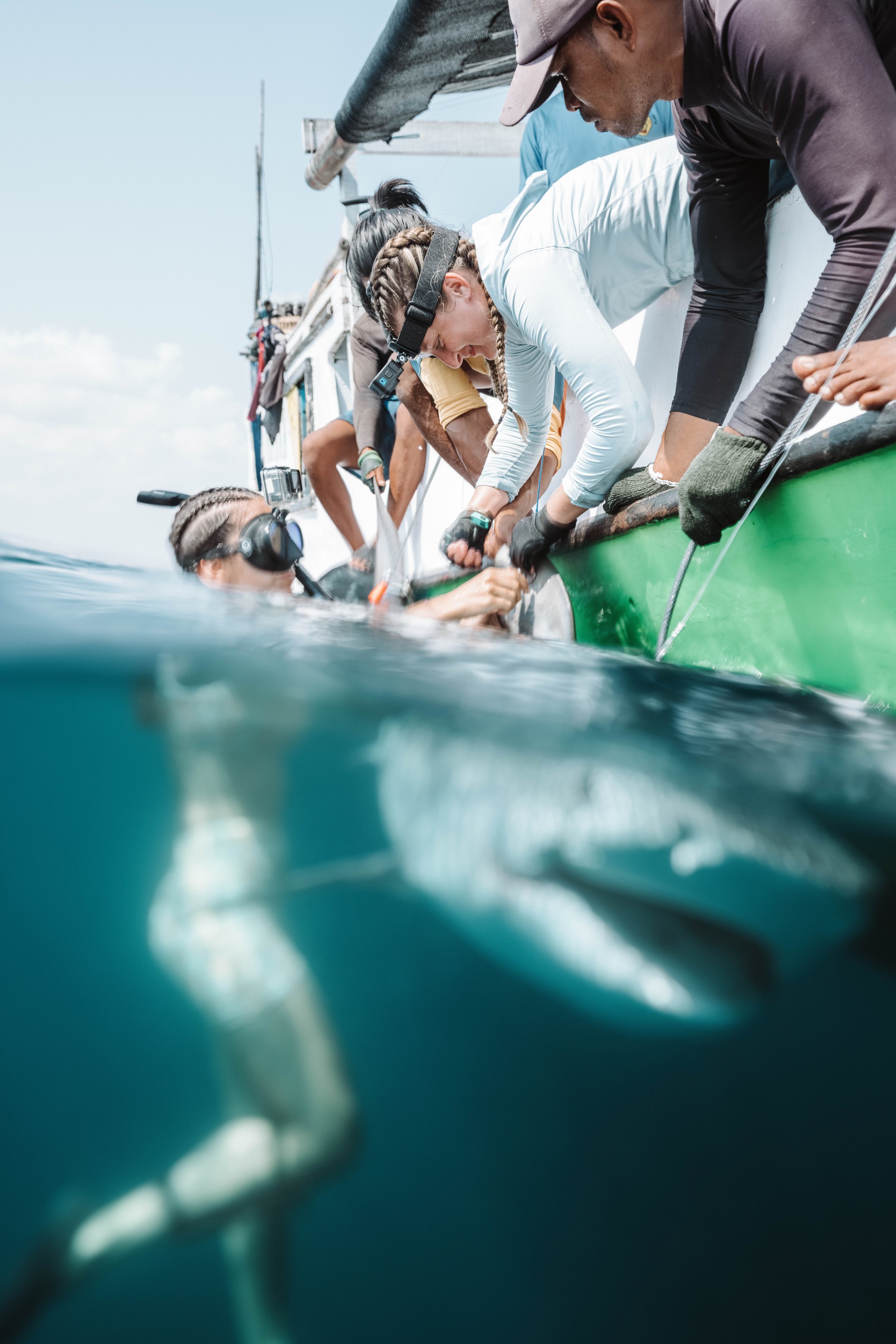
As Project Hiu continues to grow, what is your biggest hope for the future — both for the sharks and for the community in Lombok?
I shamelessly want to see my fishermen become famous! Haha, hear me out- these are the most incredible men with the most incredible stories and backgrounds, they deserve recognition for the effort they have made to change their occupations, the world can learn from them, learn how to approach conservation, learn how to view your enemies to create change, they deserve recognition as the greatest ocean guardians out there. It’s easy for me to love sharks after growing up swimming with them and working with them, but much harder for the man who relies on their death to pay his child's school fees. Taking a risk to abandon your occupation to focus on tourism is not only a source of hope for the future of our oceans, but a testament to the fishermen we work with.
We’re delighted to be able to give the Community Impact Fund grant over the next three-years. But beyond the funding, how can our community support Project Hiu in other ways?
First, help us grow responsible tourism demand. Because our model replaces shark fishing with tourism income, every ethically minded traveler sent to Lombok directly contributes to decommissioning more fishing effort. Introducing us to sustainability-focused travel designers, retreat leaders, and conscious tour operators expands the number of boats we can employ, which is the single most powerful lever for conservation impact.
Second, amplify the story. Project Hiu’s work sits at the intersection of marine conservation, poverty alleviation, and regenerative tourism. Sharing our model within your networks through storytelling platforms, speaking opportunities, or media introductions helps shift the narrative from “shark fishermen vs. conservation” to “community-led transition.”
Finally, visit and witness the work firsthand. When members join a trip, meet the fishermen, and see the realities of the shark trade, they become long-term advocates. This kind of relationship-driven support is what allows grassroots initiatives like ours to grow sustainably over time.
To learn more about Project Hiu’s work — or to support their mission directly — visit projecthiu.com. Whether by joining an expedition, sharing their story, or contributing to their programmes, your support helps turn former shark fishermen into ocean guardians and keeps sharks where they belong: alive in the wild.