
What It Takes to Make Impact Last: A Year Inside the Community Impact Fund
Community-led change moves at its own pace and unfolds on its own terms. The four projects in this update know that better than most.
The Conscious Travel Foundation’s Community Impact Fund currently supports six projects living that reality. This update focuses on the four whose journeys with us stretch back to our 2023/2024 and 2024/2025 grants:
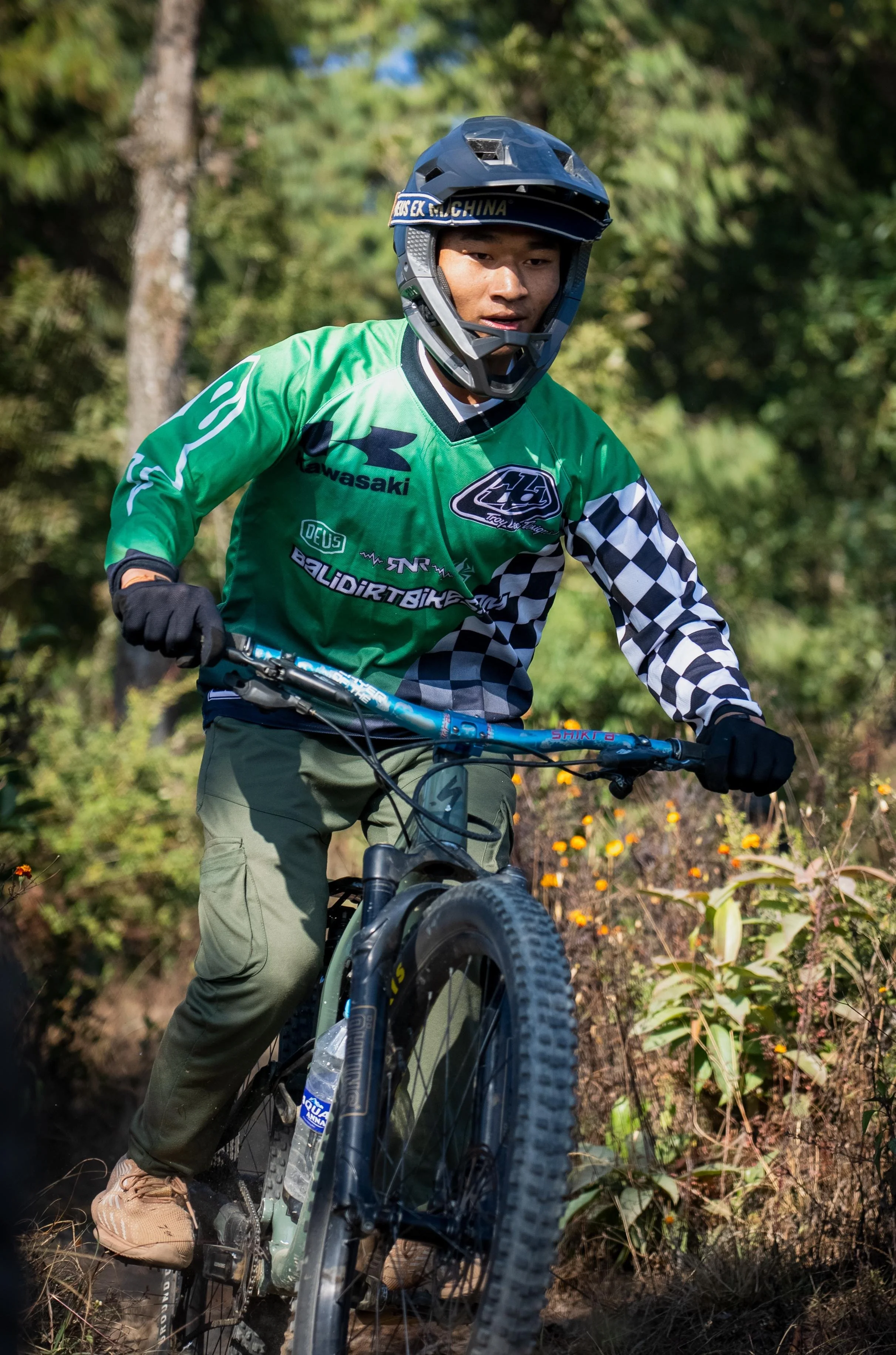
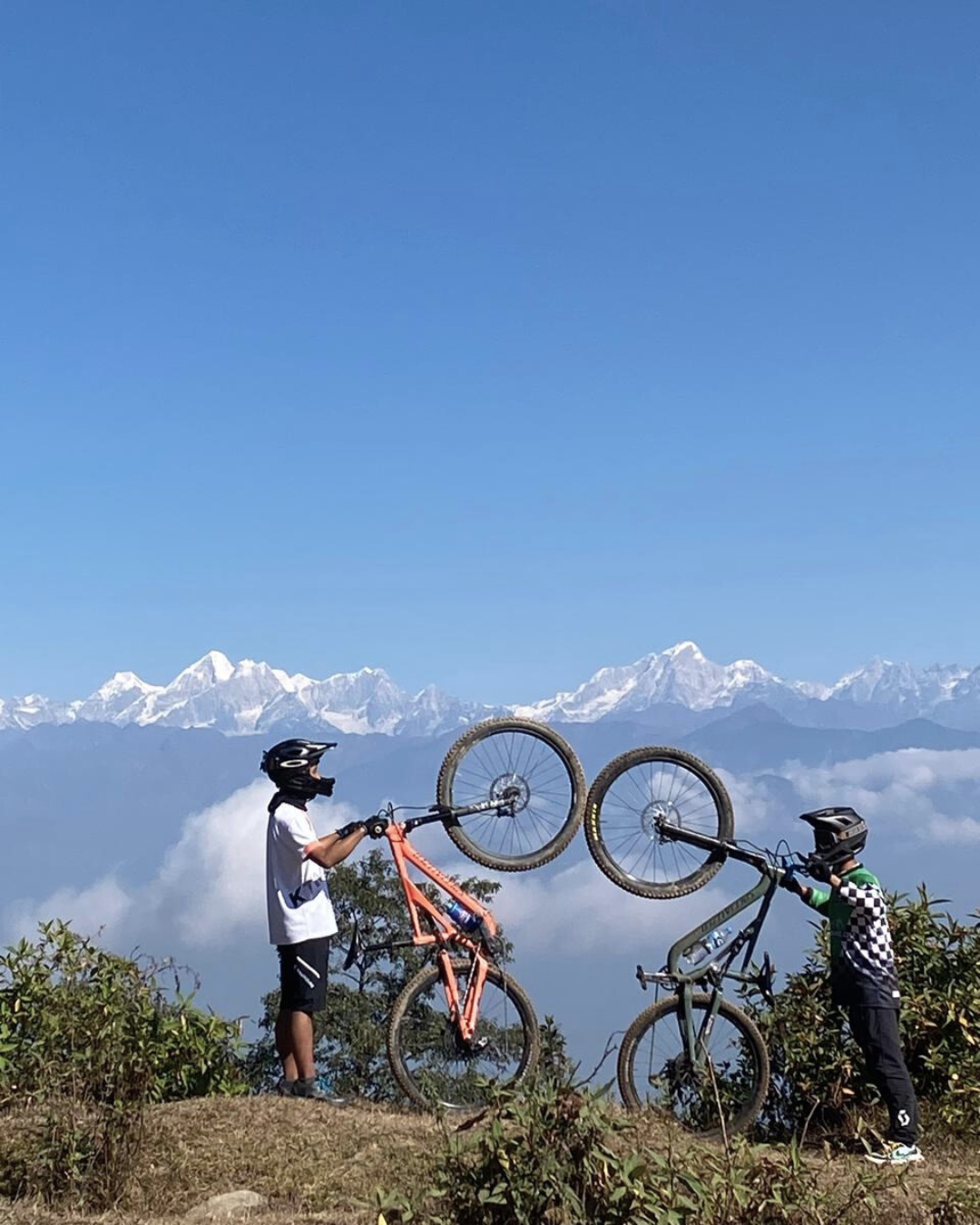
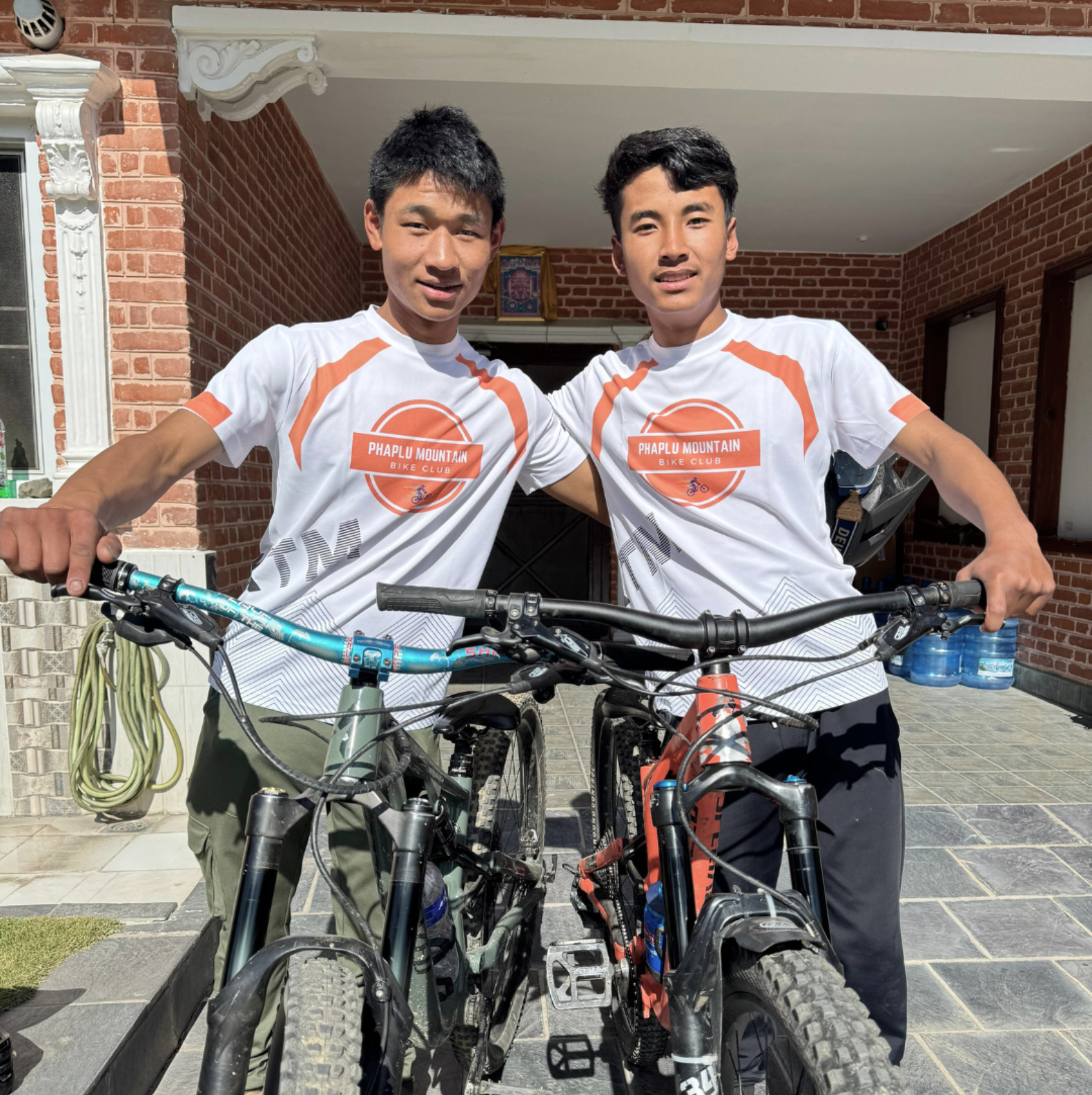
Phaplu Mountain Bike Club in Nepal, where Ang Tshering and a small team are growing a new niche of tourism that's reshaping a Himalayan valley's economy
TransHistorias in Brasília, where Sama Sama International is co-creating storytelling and guided experiences with the city's trans community
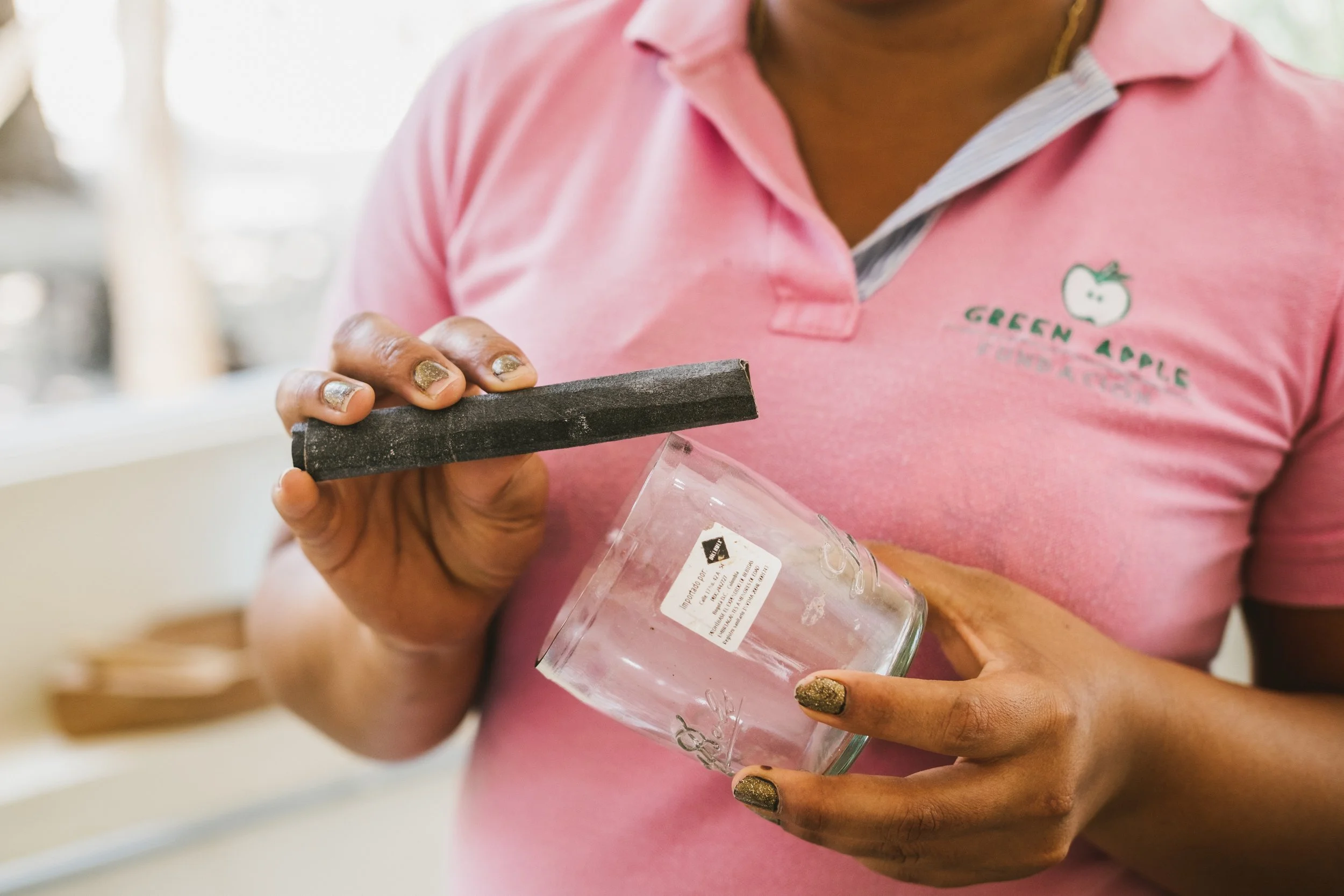
Fundación Green Apple in Cartagena, where Jenny and her team have turned glass recycling into a community business model that is infinitely replicable around the world
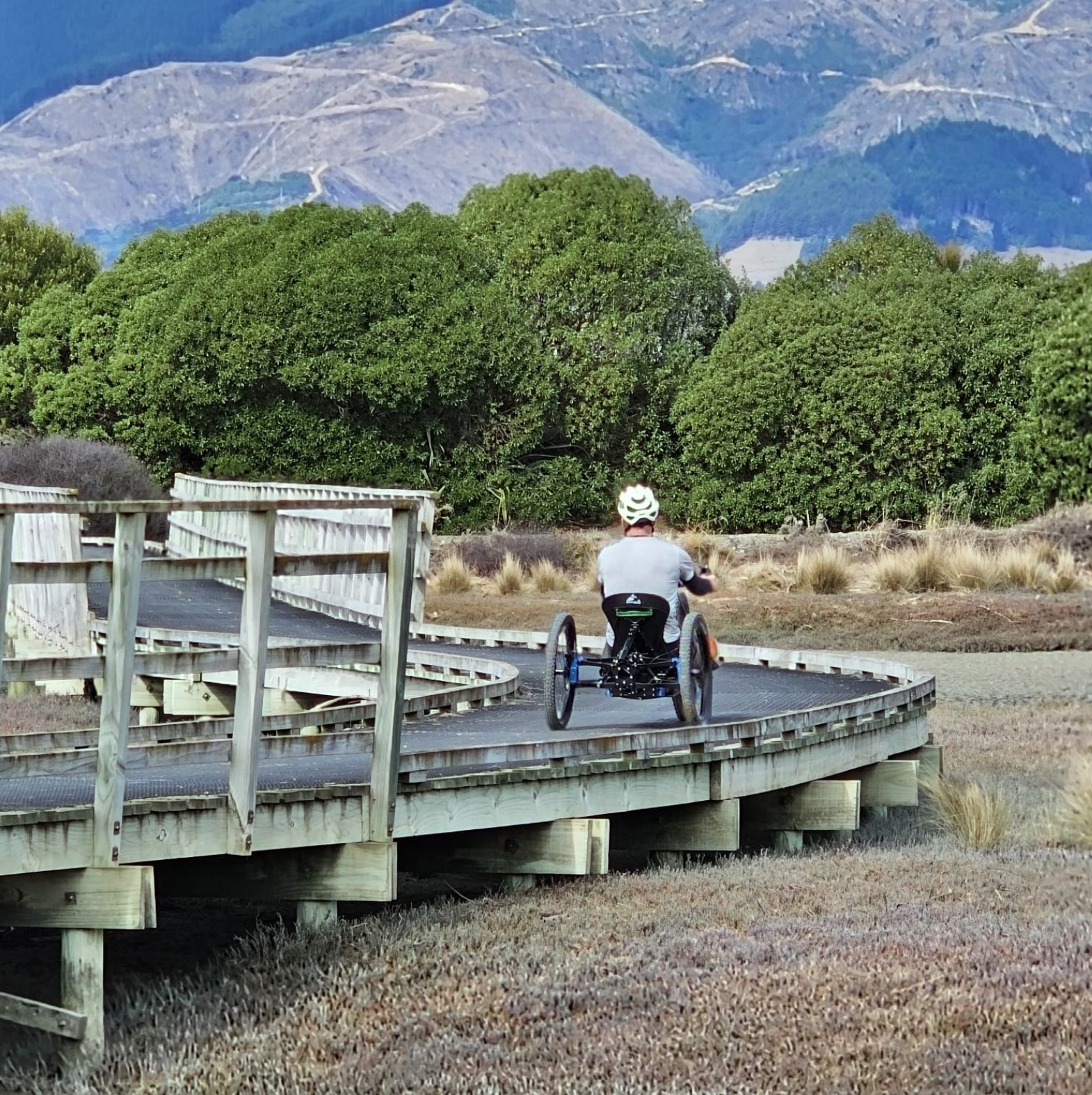
The Makingtrax Foundation in Aotearoa, where Jezza is working to make adventure tourism genuinely accessible.
Who are the experts?
One of the most consistent themes across all four projects this year has been a shift in who are being recognised as the experts.
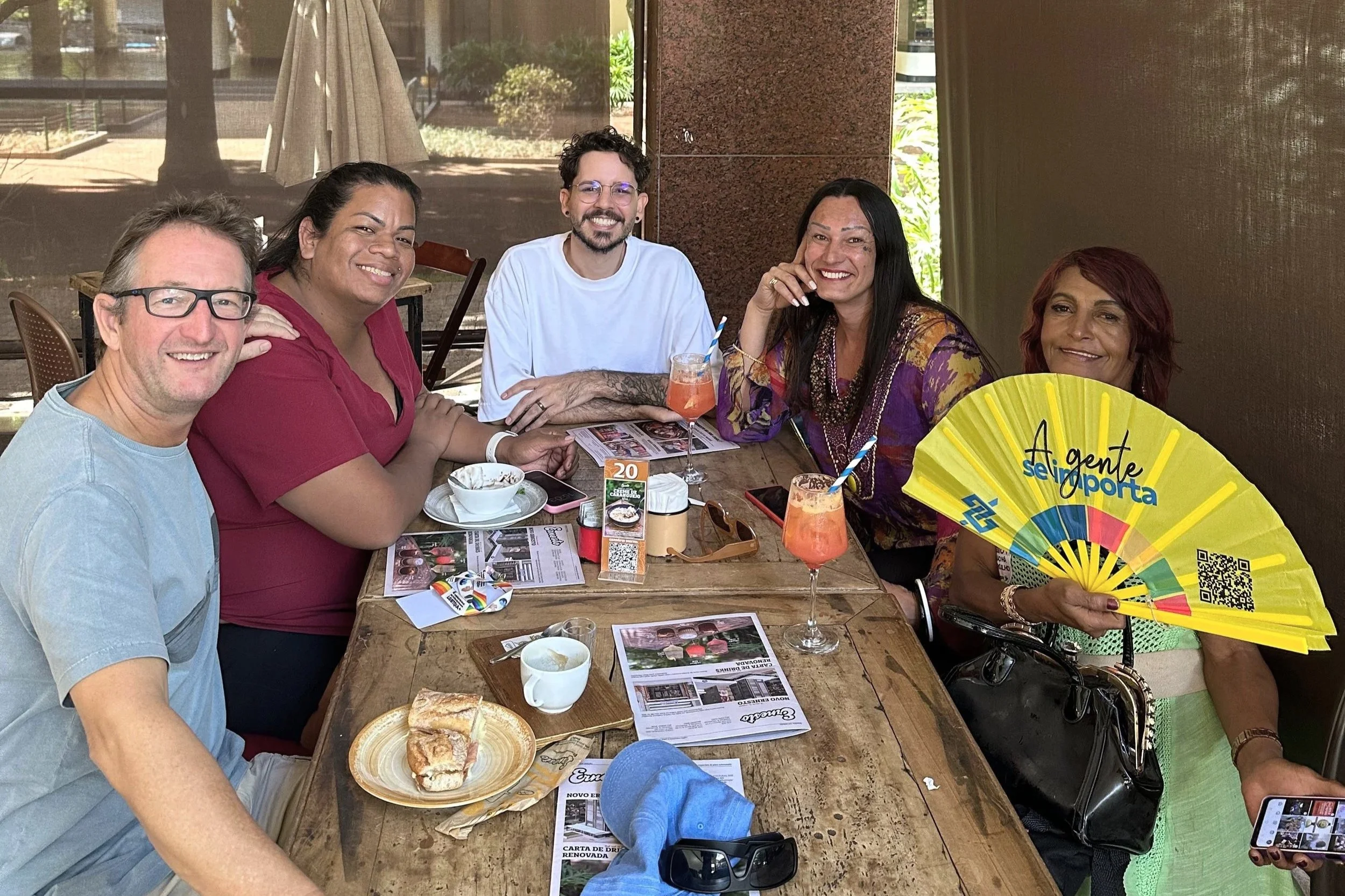
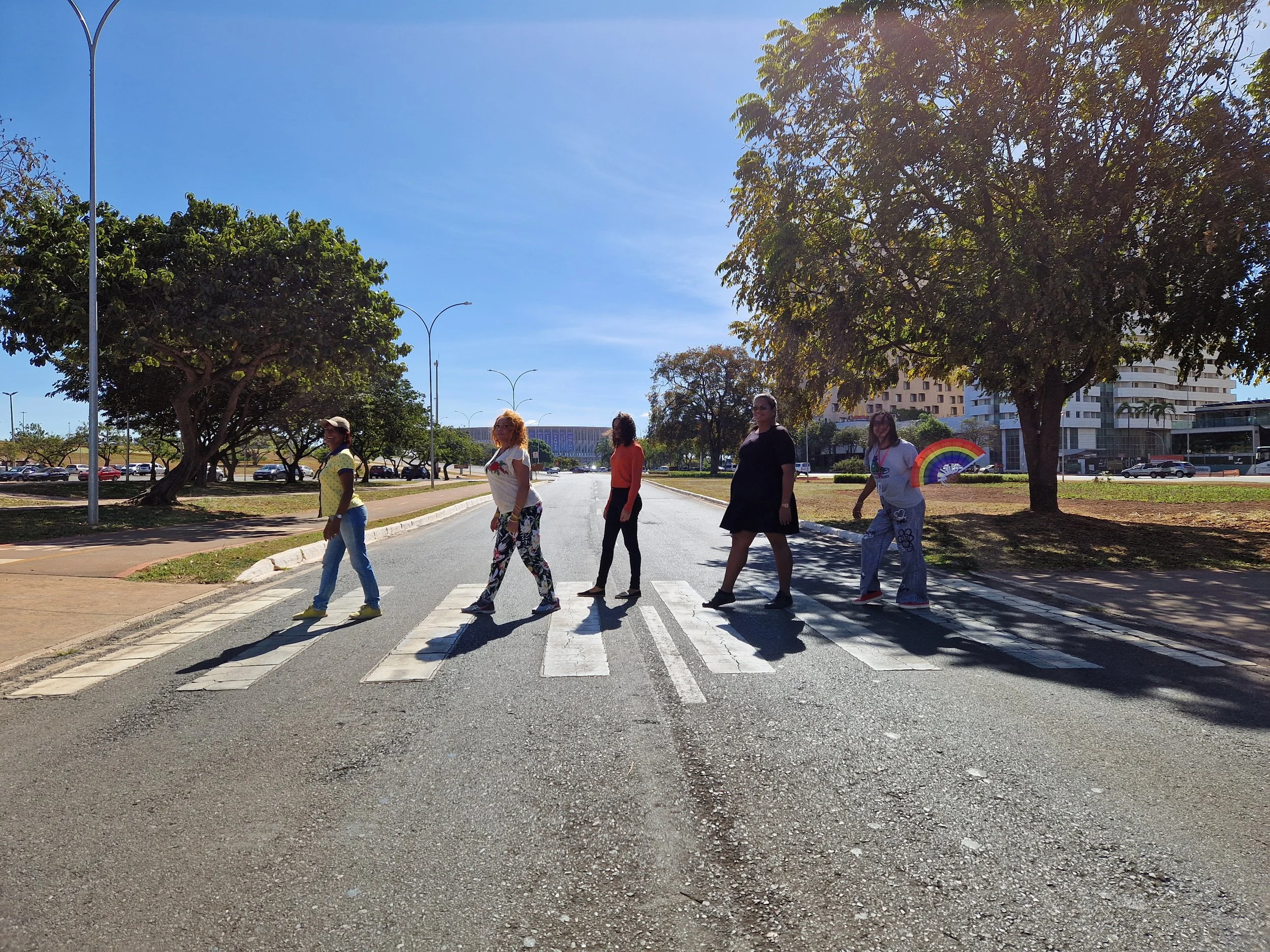
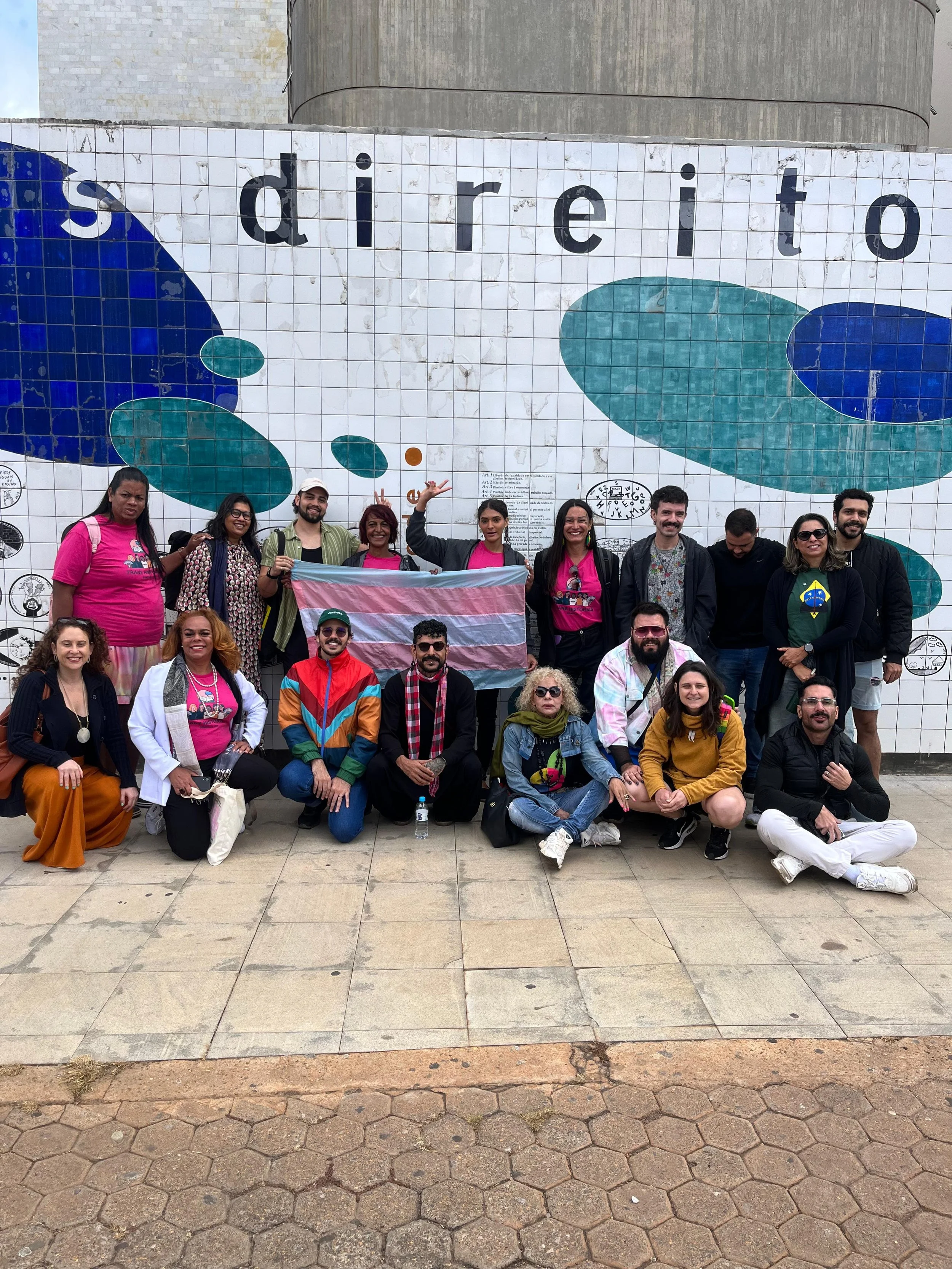
When Jayni began co-creating guided city tours with trans women in Brasília through Sama Sama, the group had grown used to external "experts" arriving with answers, briefly engaging with their reflections, then leaving. It took weeks of regular co-creation sessions for the women themselves to accept that the logos, the routes, the stories — every decision about what would be included or excluded on the tours would be theirs to make.
"We want to be able to share our stories on our own terms. This project gives us the dignity to share our stories in a way that makes it easier for people to hear them." - TransHistorias Guide
Jayni describes a photo of the group from one of those sessions that reminds her of the Spice Girls. It's a small thing, but it captures a feeling of empowerment: the women that had spent years being talked about, talked over, talked at — were now they're the ones writing the script. Those sessions have opened doors beyond the project itself: participants have gone on to appear on podcasts, radio shows, and TV news broadcasts, taken up job opportunities, and been invited to speak at tourism events — outcomes that would have been unlikely otherwise.
That same question applies to what Jezza is creating in Aotearoa with the Makingtrax Foundation — the country marketed as the adventure capital of the world.
Even there, disability is too often associated with risk, and accessibility with cost. Jezza describes a "confidence gap" among operators — not ill intent, but uncertainty: an instinct to either avoid the conversation or treat inclusive participation as a separate, special category.
"Inclusion isn't a separate offering. It's an extension of good service — built on the same foundations of preparation, understanding, and continuous improvement."
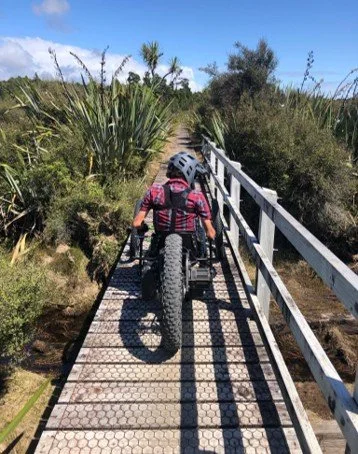
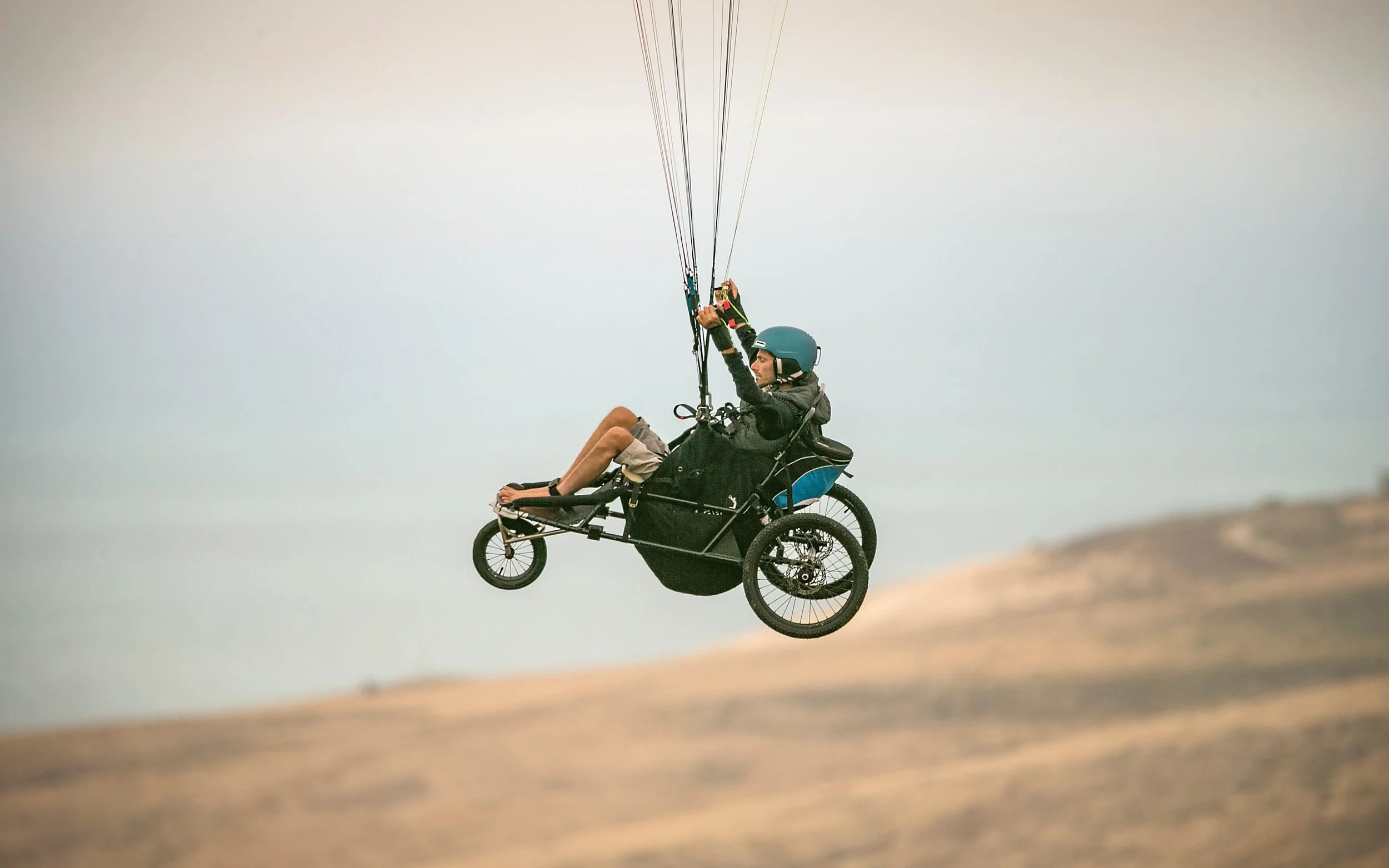
Glen, one of the riders Makingtrax has worked with on the Alps to Ocean Cycle Trail, had never left Australia before. He'd seen the same images of Aoraki (Mount Cook), the turquoise lakes, the seven-day backcountry route that everyone else has seen. The difference between him and the other adventure-seekers arriving in New Zealand wasn't desire — it was the logistical weight of barriers, equipment, and the low expectations of an industry that had never really prepared for him. That gap is precisely what Makingtrax exists to close, born from decades of lived expertise. The barrier, in other words, is not knowledge. It's the willingness of operators to look for expertise beyond their own assumptions and seek out lived experience in pursuit of inclusion.
Across all four projects, lasting impact comes when communities are trusted to define the problem, shape the solution, and decide what success looks like. Our role at the Foundation is not to direct that process, but to support it.
“Done and Doing It Again”
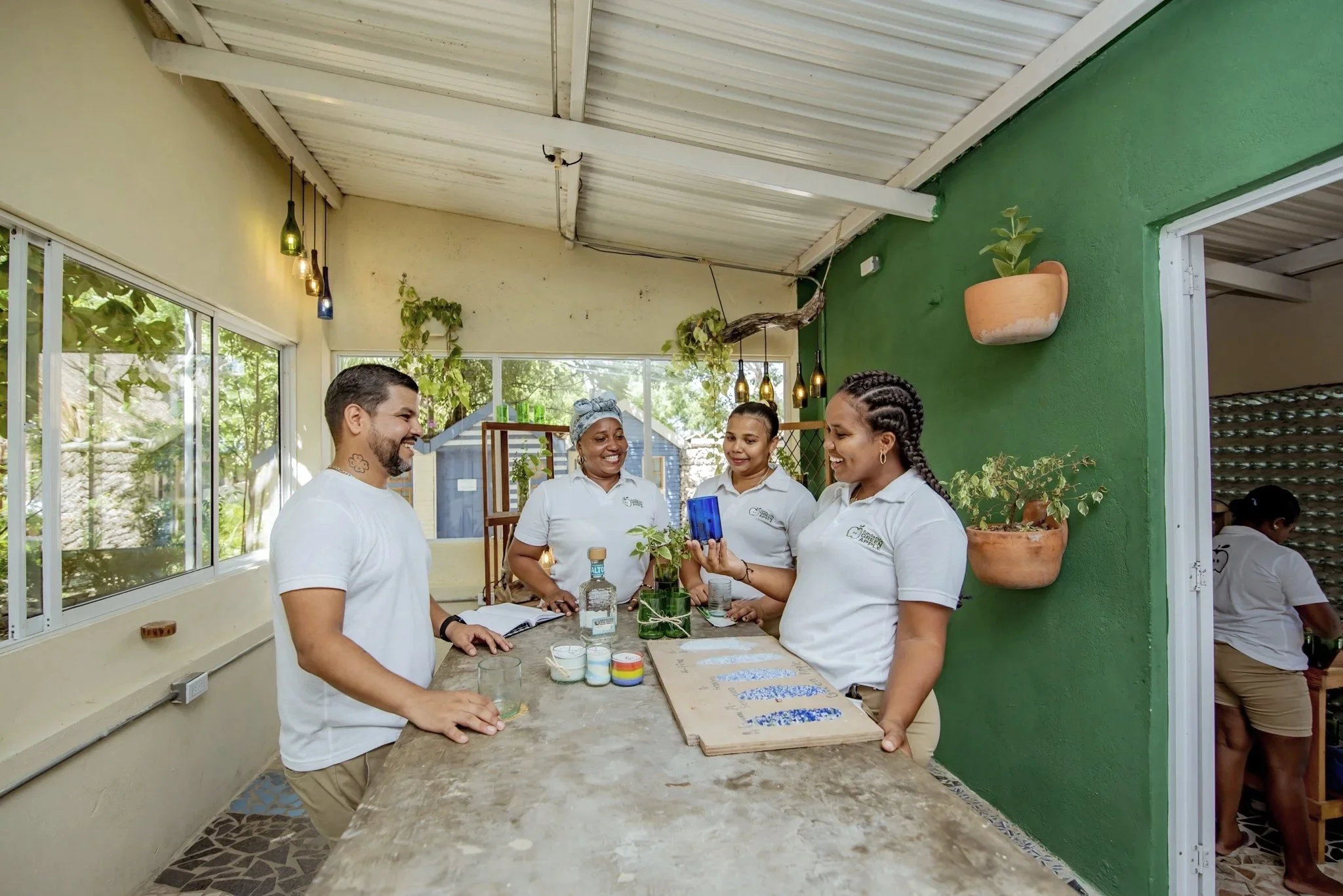
Fundación Green Apple's evolution this year has been an exercise in repositioning. Jenny and the team in Cartagena have moved from being seen as a charity, to operating as a social enterprise, to being treated as a valued stakeholder in the city's hospitality sector.
They now have a new industrial glass crushing machine, are servicing nearly twice as many businesses as last year across five locations, and their artisan products are sought after across the city. Their pilot in the Rosario Islands came about because hospitality businesses and the community invited Green Apple in — recognising them as the only partners with both the track record and the community roots to make it work. Together, they're evolving the model, and what they're learning in the islands is feeding back into how all their other projects operate.
"There's a lot of talk in this city about how to formalise recycling initiatives. Fundación Green Apple has done and is doing it again and again — daily, since 2018."
What sets Green Apple apart, Jenny explains, is what high-end hospitality operators genuinely value: consistency of service, attention to detail, and pride in creating something with lasting positive impact. These are the same things any operator looks for in any supplier — which means that glass recycling, in Green Apple’s hands, is not a side project but part of the supply chain itself. And the model is now travelling. Green Apple's team is sharing knowledge and learning with initiatives as far afield as Aruba and Zimbabwe.
Not a Straight Line
In Phaplu, Ang Tshering and the Phaplu Mountain Bike Club have grown the Ratnange Trail Centre to seventeen trails. Neighbouring communities are now approaching the team, asking them to come and help design routes through their land. Homesteads in the valley have opened up, young Nepali riders are training on terrain that's attracting visitors from across the country and beyond, and the trail centre has become a model other communities want to replicate
The Express Yourself Centre — the next stage of the project — has been slower to take shape, something Ang speaks about candidly:
"We plan one thing and something else happens, and oftentimes it can be difficult and disheartening. But keeping the flame alive of why we started in the first place, and the intention behind it, is the most powerful fuel to keep going."
"The idea of the need to continuously grow and evolve should not always be adopted. Oftentimes, especially when things are working, we should learn to appreciate and continue our work there — as that makes it most impactful."
Jayni made a similar observation about Sama Sama — that it isn't a linear process, especially when co-creating with communities that spend so much of each day doing their best to just survive. The project has to pause often and change shape when required, because the communities they work with face so many barriers to inclusion. And the aspiration to expand to other cities in Brazil — a real appetite that exists within the group — keeps running up against the difficulty of finding funding for work that has an open-ended, community-led brief.
Jenny, in Cartagena, called it simply: "grit, persistence, problem solving, and a little luck to do something that's never been done before."
The Barriers
Impact and barriers go hand in hand. That's true of any project trying to make tangible change — and it was true of all four this year. So we asked each of them to share what they were up against, in their own words:
Sama Sama
In Brazil, the Ministry of Tourism requires official qualifications for tour guides, but there are no accessible programmes for the Sama Sama group to enrol in — which limits the project's progression even with funding in place. The rise of anti-trans sentiment in many countries has also made the funding picture harder, with banks and corporates in Brazil that the team had counted on closing their doors.
Makingtrax Foundation
In Aotearoa, the barrier is attitudinal — sitting with operators themselves, and with an industry that hasn't yet treated inclusion as part of the same training and preparation it already applies to safety and risk.
Fundación Green Apple
In Cartagena, Green Apple continues to navigate the challenge of building infrastructure that largely doesn't exist. While conversations about formalising recycling continue, the team is already delivering the service day in and day out, proving what's possible through persistence and operational excellence.
Phaplu Mountain Bike Club
In Phaplu, the next barrier is internal capacity. PMBC has dreamed of and executed remarkable things with a very small team. The next leap, as Ang puts it, is building a team of "dreamers and doers" to match the ambition — and this is already underway.
Our Continued Support
When we asked each of the four projects how The Conscious Travel Foundation community could support them further, the answers were not generally about funding. They were about connection, replication, and shifting norms:
Sama Sama: Jayni would value introductions to members in other regions who want to co-create similar storytelling work with their own local communities — with the dignity and care that requires. Sama Sama is also developing a consulting arm to help operators troubleshoot the real questions that come up when co-creation is done properly.
Fundación Green Apple: Jenny is open to replicating the Green Apple model in other tourist locations with limited stable employment and limited recycling infrastructure. If you operate somewhere that fits that brief, she'd love to hear from you [link Jenny email].
Makingtrax Foundation: Jezza would like to see the Foundation’s global reach amplify the shift toward inclusion as a baseline expectation rather than a niche specialism. For members ready to take a practical first step, the Adapting Aotearoa platform offers structured training modules — designed for the New Zealand industry but available to operators anywhere in the world.
Phaplu Mountain Bike Club: Ang told us that the chance to call Maudie, Olivia, and the wider community — to share ideas and brainstorm together — has itself been a meaningful form of support. And that next leap toward building a team is something the community is already helping to shape.
Beyond the Grant
New trails in the Solukhumbu. Tour guides in Brasília building experiences on their own terms. Five recycling locations in Cartagena and a model that has travelled as far as Aruba and Zimbabwe. An accessibility platform open to operators anywhere in the world.
This is what the Community Impact Fund is for.
Whilst our members help make these grants possible, the projects themselves — the trails, the experiences, the zero-waste models, the training modules — are the product of years of knowledge and experience. This year marks the final grant year for PMBC and TransHistorias, and the second for Fundación Green Apple and Makingtrax. And although our grants have a cycle, all four projects are valued members of our community and we are committed to supporting them — through connections, through storytelling, through whatever doors we can help open — long after the grants come to an end.
Power A Project
If these stories demonstrate anything, it's that communities already hold the knowledge, ideas and leadership needed to create change. What they often need is patient support, trust, and the right connections.
Each year, more projects apply to the Community Impact Fund than we can support here at The Conscious Travel Foundation. For larger travel businesses with the capacity to build a longer partnership, our Power A Project scheme connects you directly with initiatives that have already come through our application process and impact rubric.
If that sounds like you and you’d like to find out more, we'd like to talk. You can read more here.
